Although facial recognition has been used for several years, there are still rumors that Apple will use fingerprint recognition on the iPhone or even under-screen fingerprint recognition Sometime in the future. However, the devices unlocked by Apple’s fingerprint have been discontinued. This brings up the question, will mobile phone fingerprint unlocking be abandoned? If yes, when?
Will Mobile Phone Fingerprint Unlocking be Abandoned?
If the news is true, does that mean that fingerprint unlocking, a classic technology used for many years, will soon say goodbye to the public?
The Development And History of Mobile Phone Unlocking
In the early feature phone era, there was no mobile phone lock, and the mobile phone keyboard had no protective measures. It would react if it were slightly squeezed.
When a mobile phone is placed in a pocket or backpack, accidental phone calls and text messages often occur. To prevent misuse, the keypad lock function was born.
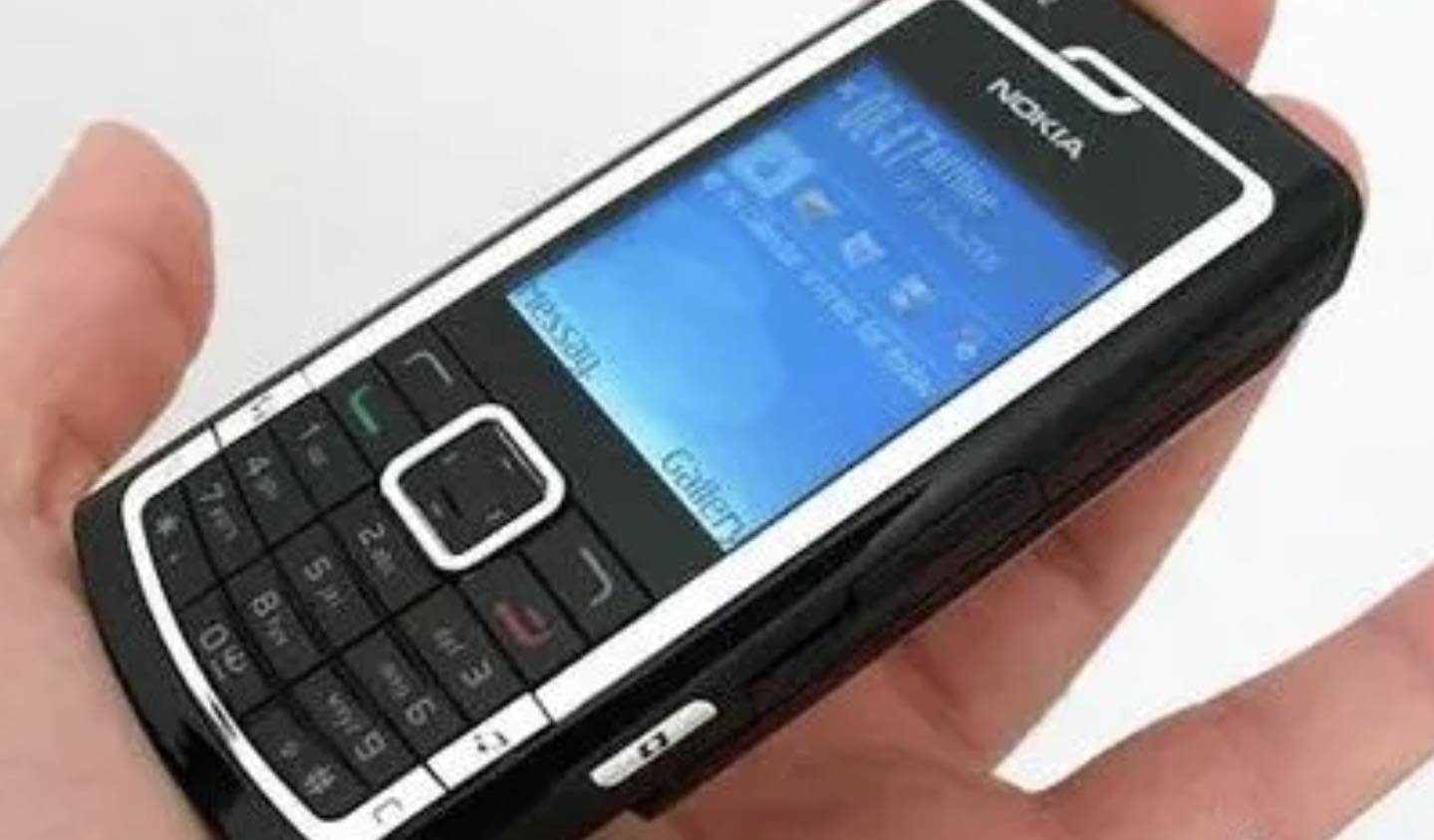
The unlocking method at that time was also relatively simple. In addition to the “left function key + *,” “left function key + #,” long press “#,” long press “*” key, and other unlocking methods were also very common.
In the past, unlocking mobile phones was to prevent accidental operations. But as more and more personal information is stored on mobile phones, mobile phone locks prevent accidental touches and protect privacy.
Soon, touch-screen smartphones with resistive screens appeared. The original unlocking method of feature phones also became screen sliding to unlock.
“Slide to unlock” first appeared in 2003. Neonode, a manufacturer from Sweden, launched the first mobile phone with a slide-to-unlock function, Neonode N1.
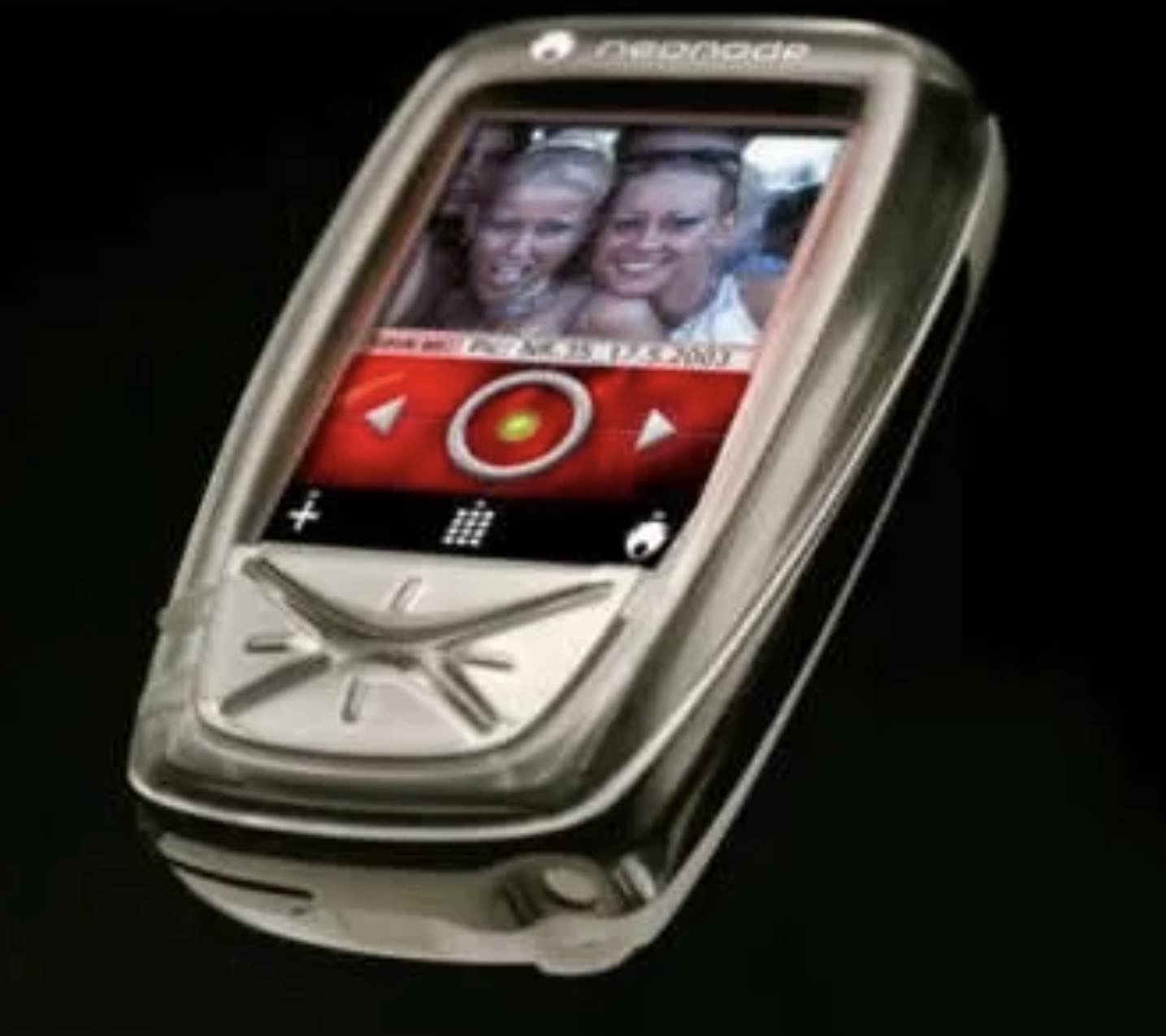
Sliding unlocking is also constantly developing, gradually developing into password and pattern locks and combined into various gesture passwords.
However, the privacy and protection of passwords are not as secure as biometrics, so various unlocking methods using biometrics began to develop.
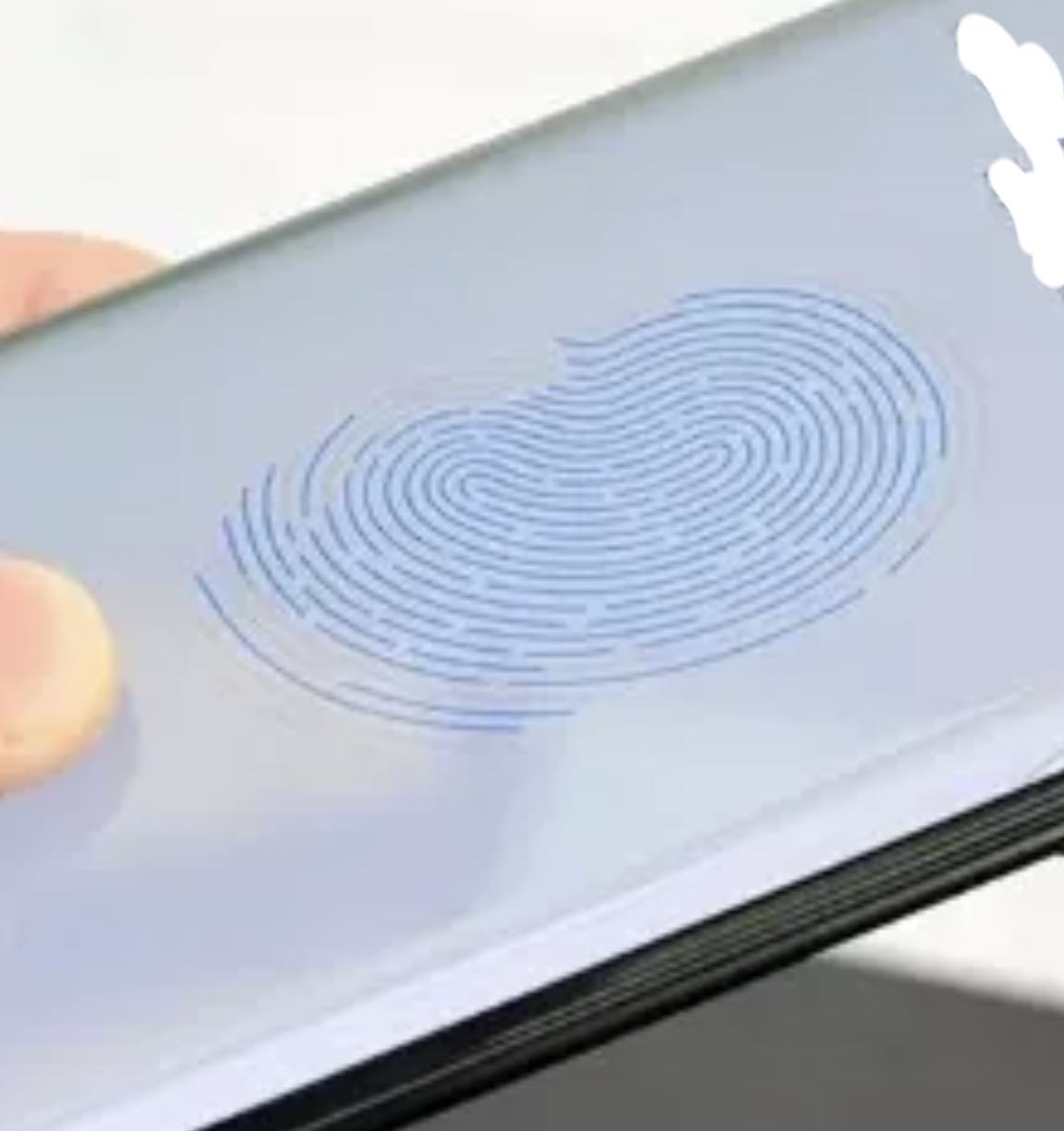
Fingerprint unlocking is one of the most popular unlocking methods today. This unlocking method has a long history, dating back to the end of the last century.
In 1998, Siemens developed the world’s first fingerprint-equipped mobile phone: the Siemens (SL10).

The fingerprint of this phone is located on the back and is equipped with a metal fingerprint sensor. It supports up to 59 fingerprints, each with different usage rights.
However, the Siemens (SL10) 1088 is a never mass-produced prototype. Moreover, these fingerprint technologies are not available in the era of feature phones.
The first smartphone with fingerprint unlocking was the Motorola Atrix 4G, released in 2011. This phone used a pressure sensor as a fingerprint recognition sensor.
However, the phone did not make fingerprint unlocking technology popular due to limited technology, poor fingerprint sensor sensitivity, and high power consumption.
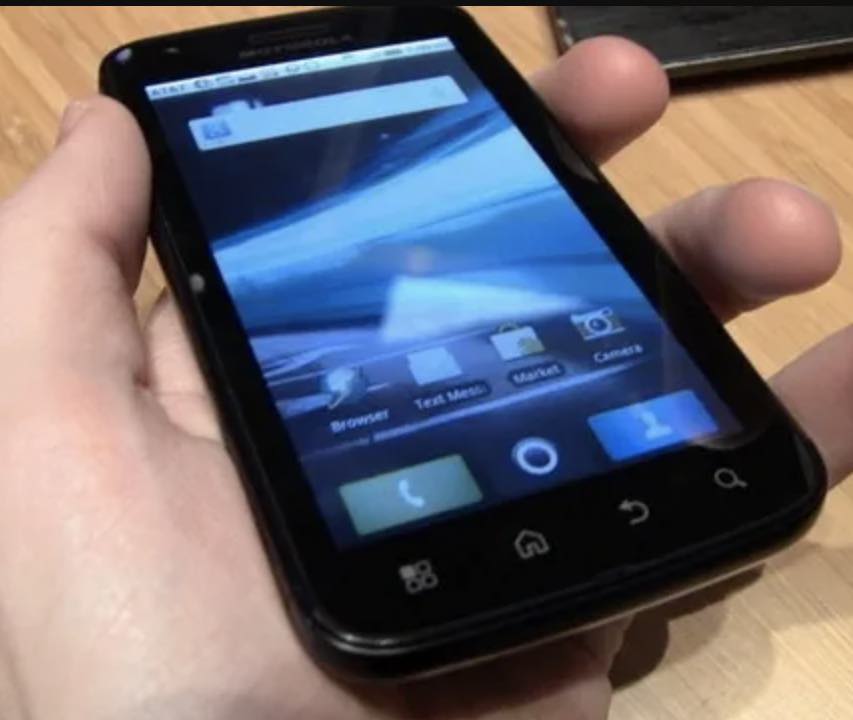
It wasn’t until 2013, when iPhone 5s came out with Touch ID, that fingerprint unlocking technology was widely used.

Features of Fingerprint Unlocking

The core of fingerprint unlocking technology lies in fingerprint recognition. Fingerprint recognition extracts key information from fingerprints to form fingerprint feature data to identify identities.
Fingerprint recognition is one of the object feature recognition technologies. Like iris recognition, face recognition, vein recognition, and other technologies, they all use human physiological and behavioral characteristics for identification.
Since each person’s fingerprint is unique, its confidentiality and uniqueness are unavailable in any password protection.
Common fingerprint recognition includes capacitive fingerprint recognition, ultrasonic fingerprint recognition, and optical under-screen fingerprint recognition.

Capacitive fingerprint recognition is the most common and technically mature fingerprint recognition solution. Although there are different fingerprint recognitions on mobile phones’ front, side, and back, the essence is the same.
This technology mainly uses silicon wafers and finger subcutaneous electrolytes to form an electric field. The fluctuations on the surface of the fingerprint will cause changes in the voltage difference between the two, thereby achieving accurate fingerprint measurement.
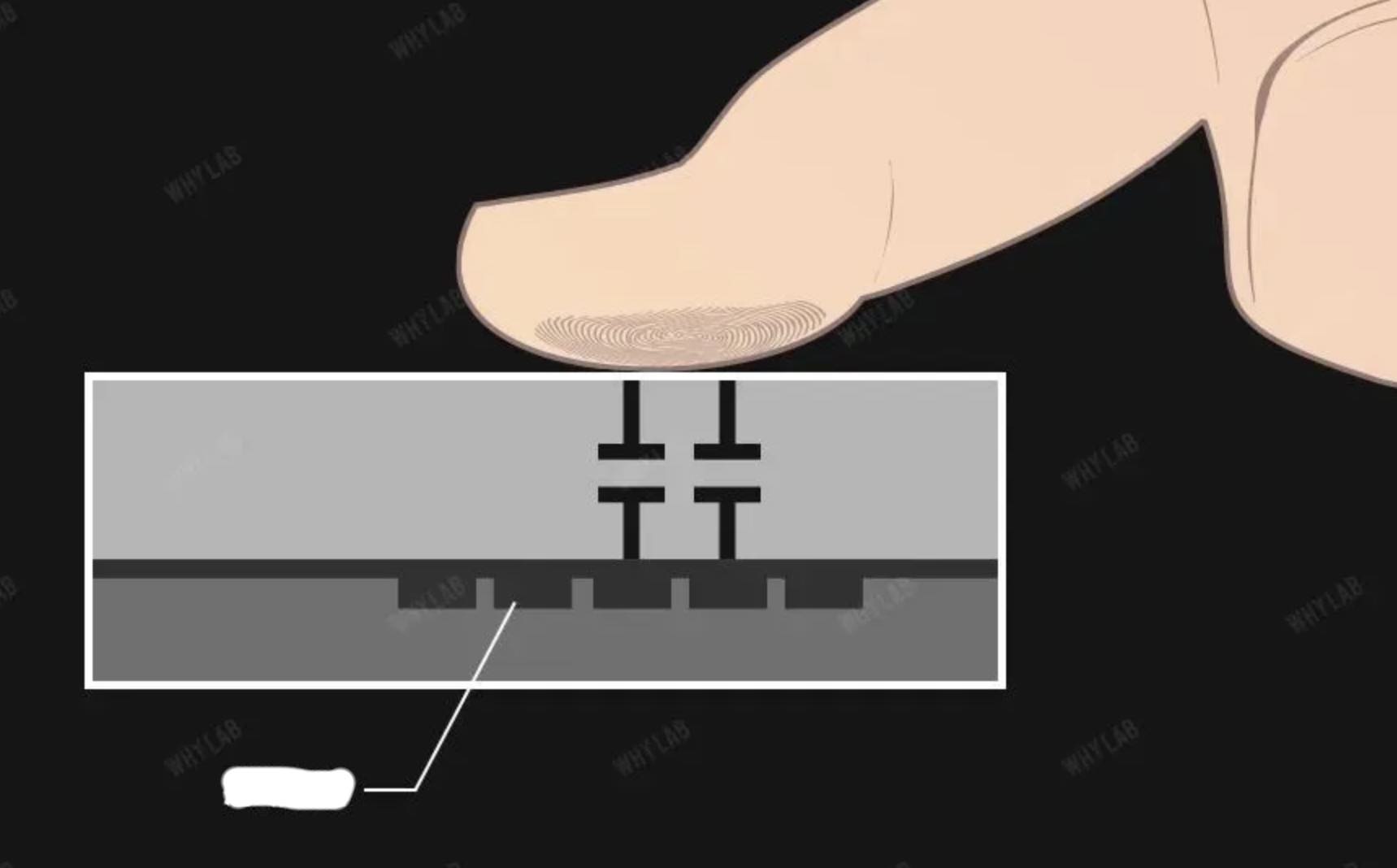
Capacitive Fingerprint Unlocking
The capacitive fingerprint recognition module responds quickly and has no specific requirements for the user’s environment. The supply chain is mature and lacks many mobile phone design requirements. Therefore, various manufacturers have introduced capacitive fingerprint recognition modules.
Disadvantages Of Capacitive Fingerprint Unlocking
However, capacitive fingerprint recognition has higher requirements on the surface of the finger. If the finger is wet or stained with something, capacitive fingerprint recognition is often difficult to verify.
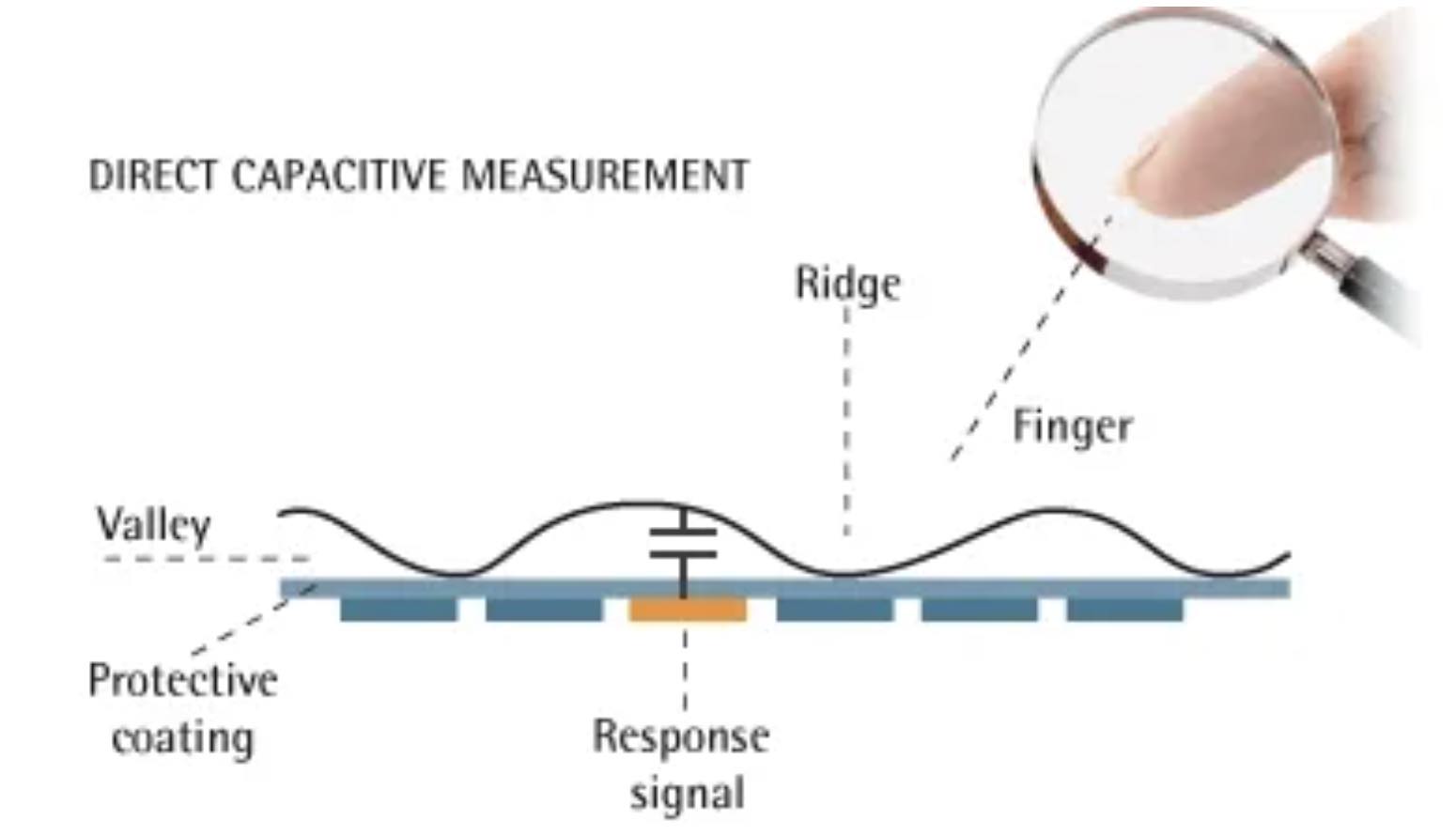
The most significant disadvantage of the capacitive type is that it takes up a lot of space. It requires a separate space below, on the side, or behind the screen, which is more troublesome.
Ultrasonic Fingerprint Recognition
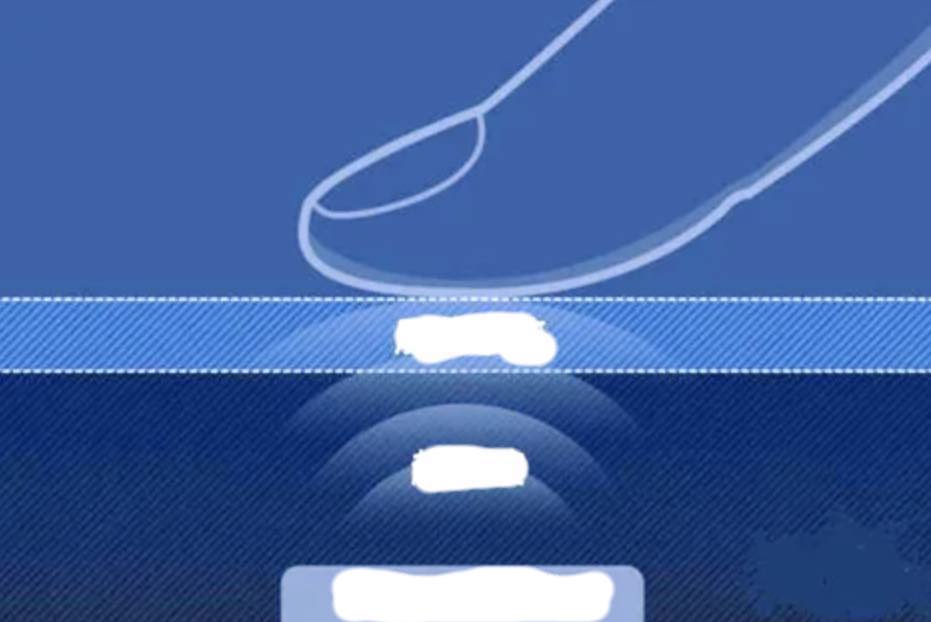
In addition to capacitive fingerprint recognition, Qualcomm offers ultrasonic fingerprint recognition solutions, which have been hot topics for a while.
Ultrasonic fingerprint recognition does not require a capacitive sensing device. It uses ultrasonic waves of a specific frequency emitted by the fingerprint module to reach the finger surface.
It uses the differences in the reflection of ultrasonic waves on the fingerprint surface to establish a 3D fingerprint pattern.
Compared with 2D capacitive fingerprint recognition, ultrasound is safer, faster, and not affected by sweat and oil on the finger surface.
However, the shortcomings of ultrasonic fingerprint recognition are also obvious. The main reason is that the module’s penetration into glass is only 400 microns.
With the development of technology, under-screen optical fingerprint recognition began to appear and began mass production in 2018.
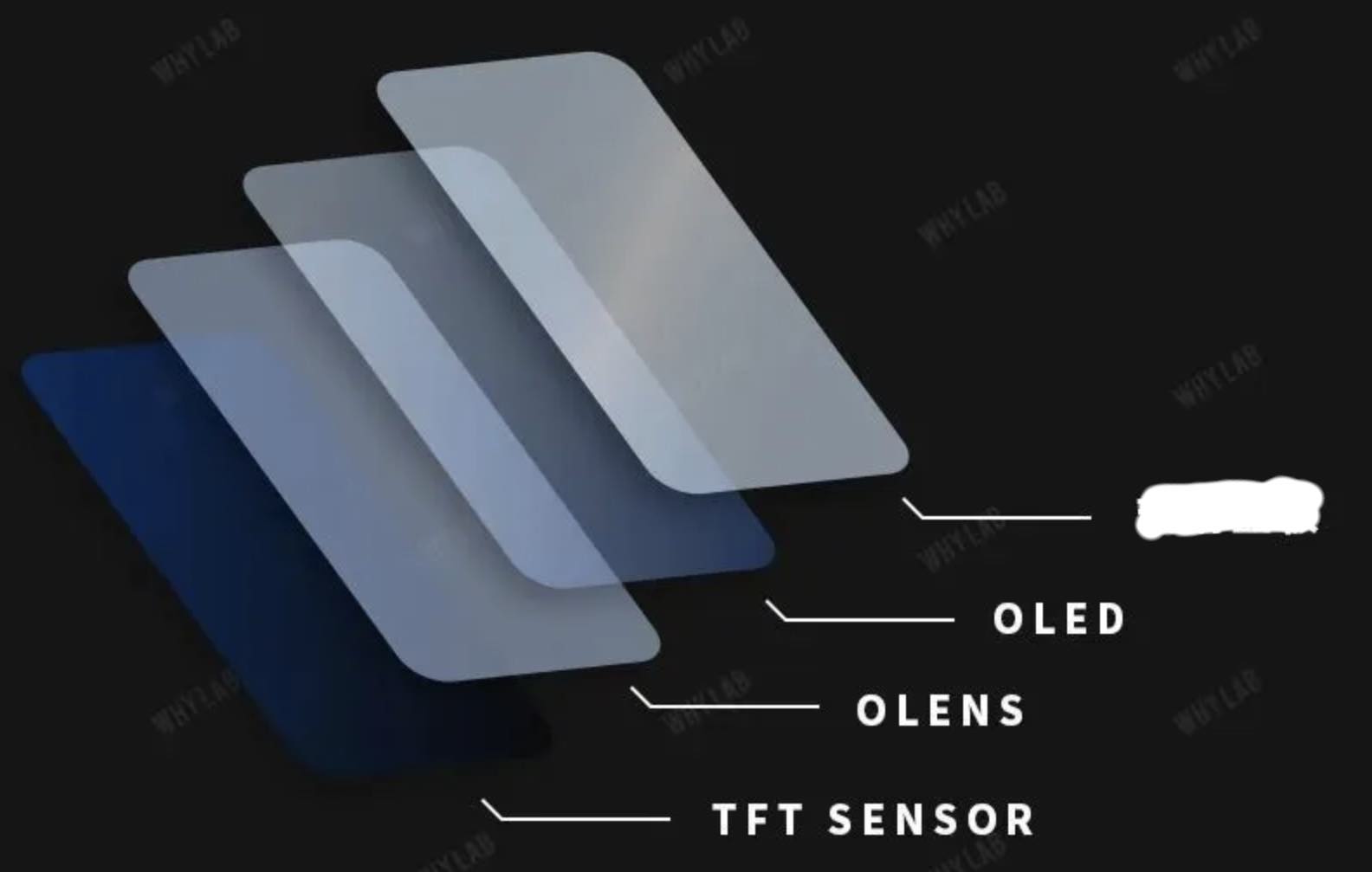
Unlike traditional capacitive fingerprint recognition, optical fingerprint recognition can use the light emitted by the OLED screen to illuminate the finger area and identify the user’s fingerprint through bright light reflection imaging.
Using the principle of refraction and reflection of light, the fingerprint image information is received through the CMOS image sensor, converted into digital signal information of the fingerprint, and feature point information is extracted.
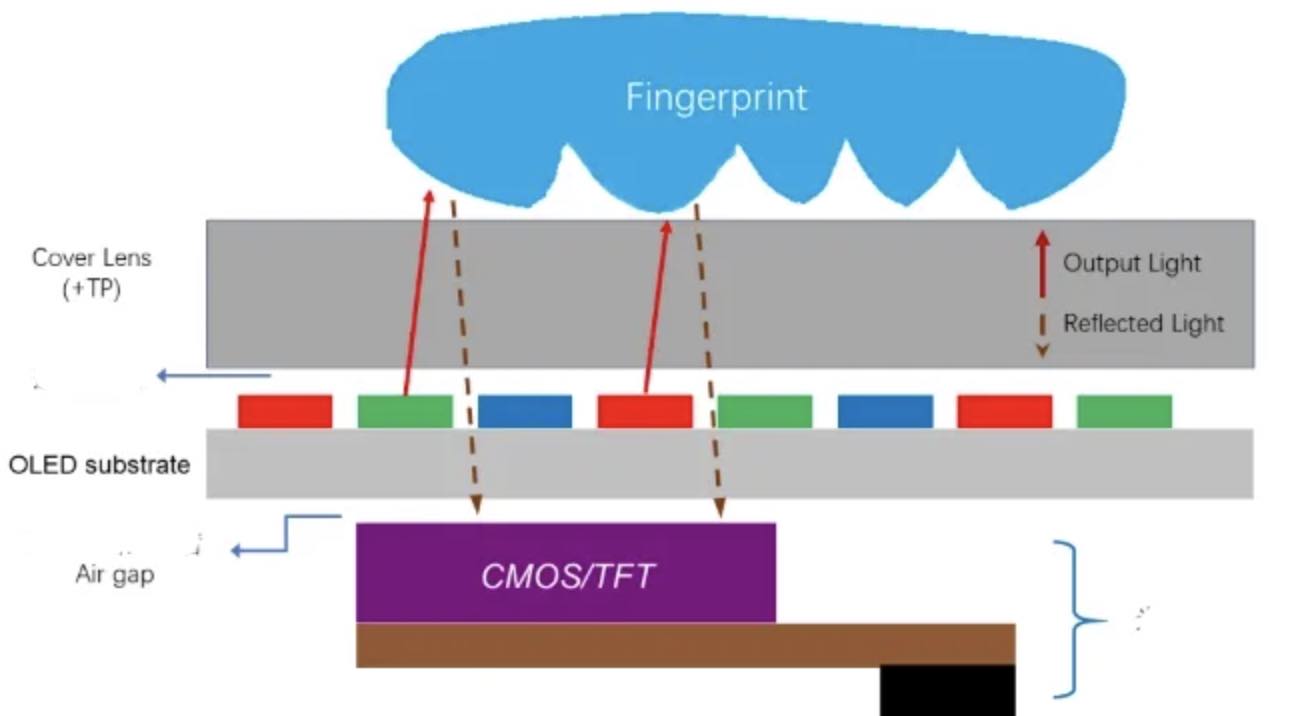
This method solves the problem of capacitive fingerprint recognition not being unlocked with wet hands. At the same time, optical fingerprint recognition has low cost and high penetrability.
With the advent of the full-screen era, under-screen optical fingerprint recognition has gradually made it the most mainstream technical solution.
What Is The Future of Mobile Phone Unlocking?
In 2017, Apple launched the iPhone X, removed Touch ID, and replaced it with Face ID.
The emergence of the iPhone.
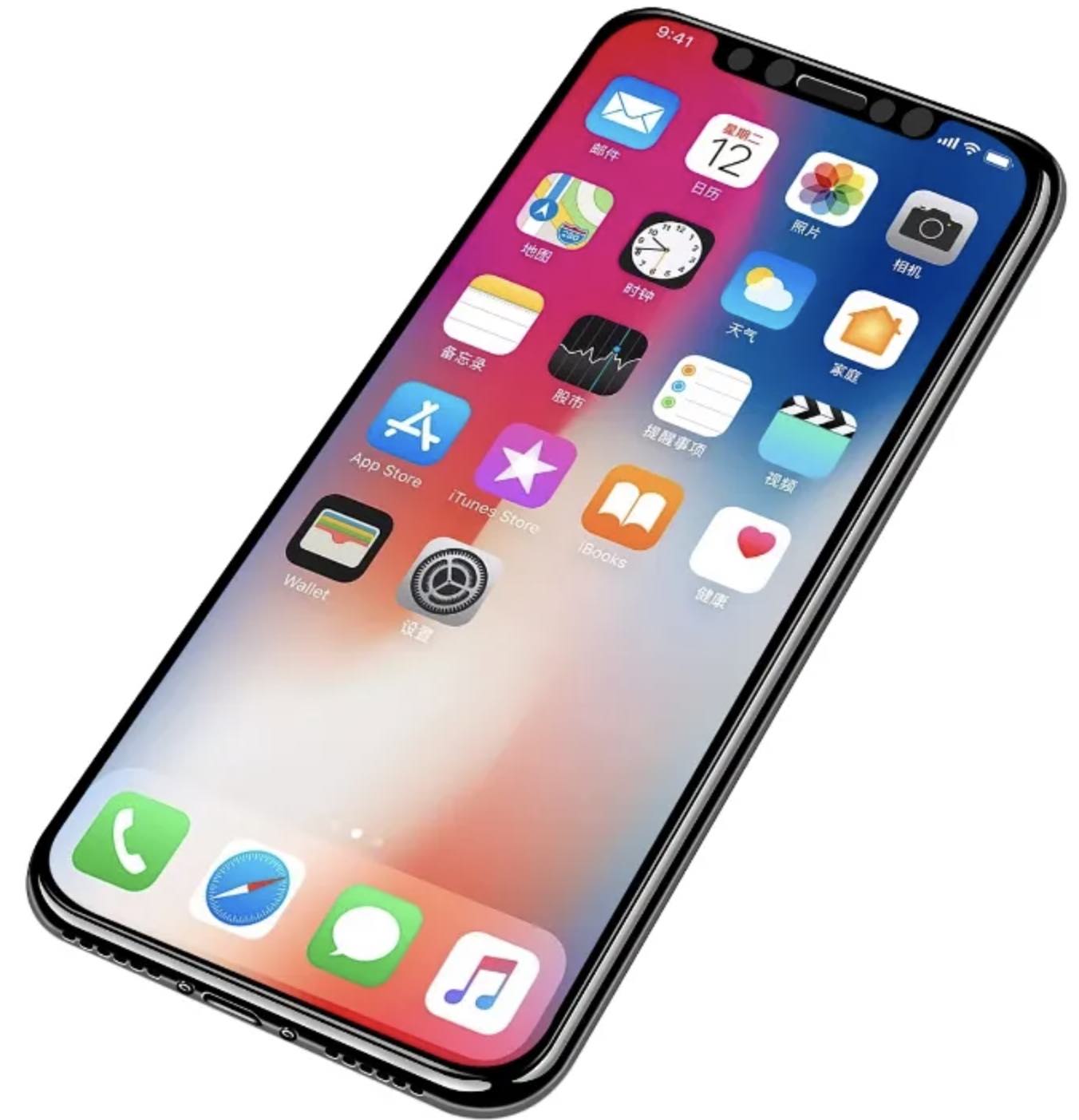
Since then although fingerprint-unlocking technology has remained mainstream for a long time, it has been overtaken by face-unlocking technology in recent years.
Whether fingerprint or face unlocking, it may not be the final solution for mobile phone unlocking technology. More advanced unlocking methods, such as iris unlocking, will inevitably replace it.
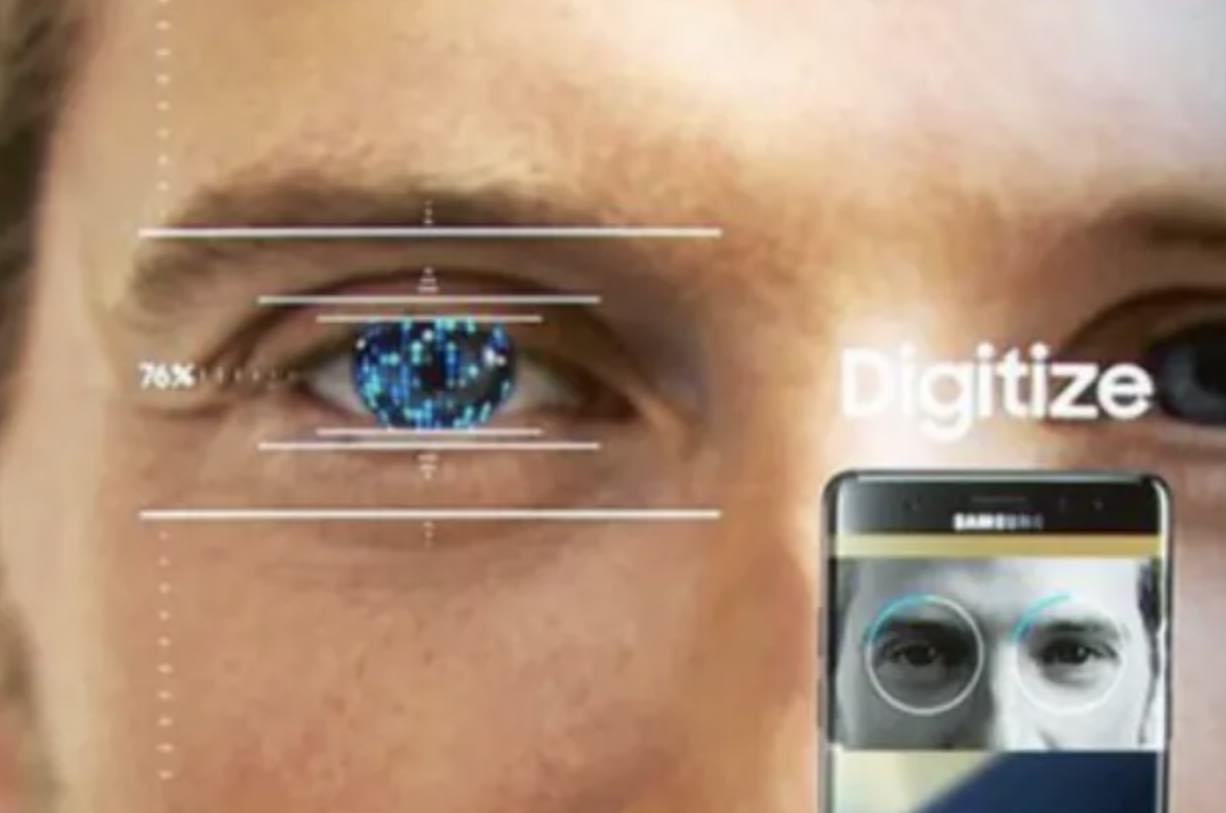
Since the emergence of mobile phones, unlocking methods have been constantly evolving and improving.
Future mobile phones may have more unlocking methods, such as DNA, brain waves, etc.
Leave a Reply