What material is the back cover of your mobile phone made of? (Plastic, metal, glass, plain leather, ceramic…) Surveys show that many people have used or are currently using the first four materials, but fewer people use ceramics because they are relatively rare. This article will explore why smartphones rarely use ceramics nowadays!
Take the wave of new flagship phones released at the end of the year, for example. Among them, only the Huawei Mate 70 RS and Samsung W25 offer ceramic versions, both priced very high.
However, in the Ace 5 series released on December 26, OnePlus introduced a ceramic version, making it the only mid-range model currently using ceramic.
Many people are drawn to the OnePlus Ace 5 Pro in its ceramic color (16GB+512GB), particularly because of the ceramic material’s unique jade-like texture. Despite its appeal, ceramic phones have remained a niche product.
Here’s Why Smartphones Rarely Use Ceramics
Now, since ceramics are known for their benefits, why do manufacturers rarely use them? Let me share the reasons with you.
01. Ceramics – As Smooth as Jade
If you search for “the first mobile phone brand to use ceramics,” you’ll find various answers: Nokia, Samsung, Gionee, Xiaomi, OnePlus, Meizu, Huawei…

Many people may associate the Xiaomi MIX as the first phone to use ceramics. This impression is partly right and partly wrong. Xiaomi used a ceramic back cover on its earlier Xiaomi 5 Premium Edition. However, the Xiaomi MIX was the first truly “full-ceramic” phone, with its frame, card slot, and ceramic buttons.
Combining true ceramic with a full screen, Xiaomi’s first-generation MIX truly lived up to the name of “exploring new technologies and new forms.”
In addition to Xiaomi, many other manufacturers have recognized the potential of ceramic materials and incorporated them into their models.
Here are a few Phone models(with ceramic cover) that left a lasting impression:
Samsung S10+


Meizu 17 Pro

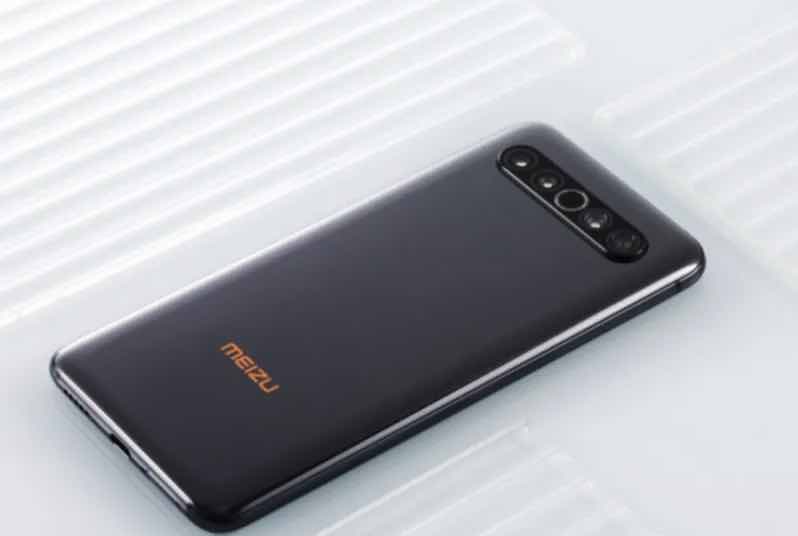
Huawei P40 Pro+/Mate 40 Pro+

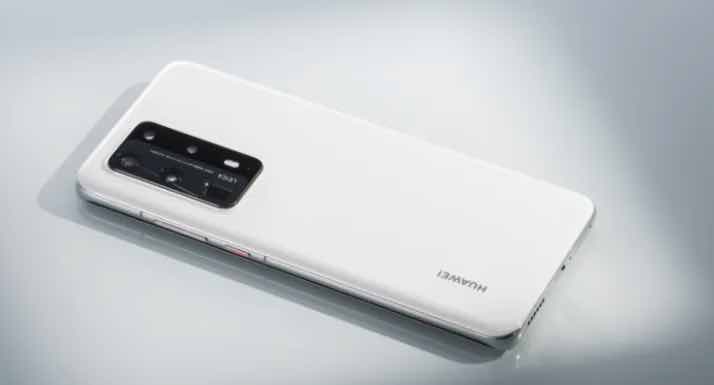
Xiaomi Mi 11 Ultra


OPPO Find X5 Pro

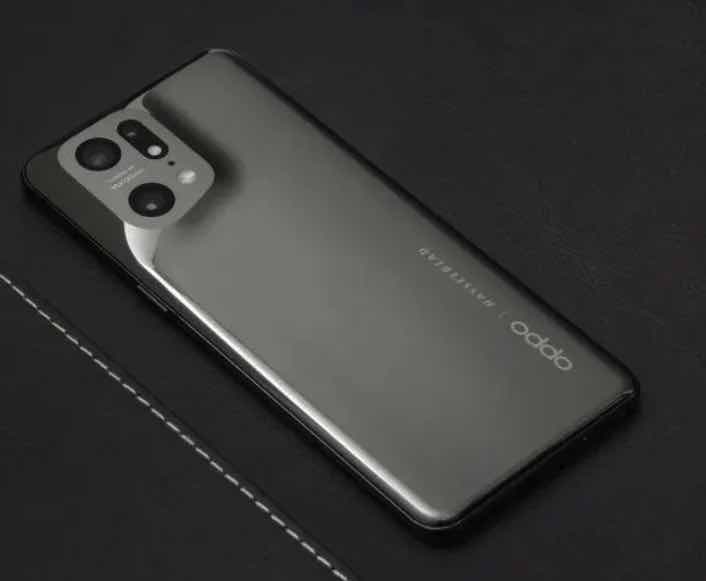
Honor Magic 4 Ultimate Edition

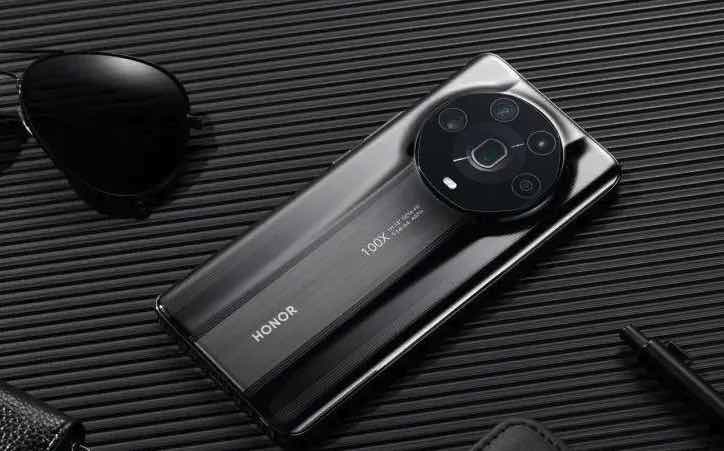
As we can see from the devices mentioned earlier, the ceramic back covers used in the past were typically solid colors, with black and white being the most common.
From a visual perspective, white ceramics better reflect the jade-like smoothness of the material compared to black.
02. The Evolution of Ceramic Back Covers in Smartphones: From Solid Colors to Modern Special Ceramics
Ceramics have a long history, dating back to the Neolithic Age. During this early period, China produced black pottery with simple, rough designs.
However, the ceramics used in modern smartphones are not traditional ceramics but rather specially engineered materials known as modern ceramics.
Specifically, the back covers of smartphones are often made from zirconia ceramic. Zirconia ceramics are white and offer exceptional properties: they have high melting and boiling points, are highly durable, act as insulators at room temperature, and become conductive at high temperatures.
Zirconia Ceramic: Five Key Features
Upon closer inspection, zirconia ceramics/zirconium dioxide (ZrO2) possesses five distinctive features:
- High Melting Point and Heat Resistance
Zirconia has a melting point above 2700°C and can withstand high temperatures up to 2300°C, making it ideal for use as a reactor insulation material. As an additive, it significantly enhances the strength and toughness of ceramics, resulting in toughened ceramics. - Multiphasic Structure for Improved Toughness
Zirconia ceramics exhibit a multiphase structure and can adopt three different crystal forms depending on temperature and pressure. Under specific conditions, stress can induce phase transformations that improve fracture toughness. - Exceptional Durability and Resistance
Zirconia meets the performance requirements for hot extrusion dies, offering resistance to high temperatures, corrosion, and wear. It also withstands high pressure and heat with minimal permanent deformation. - Superior Hardness and Chemical Stability
Zirconia ceramics are harder than metals and tougher than most ceramics. They possess high chemical stability and can endure temperatures of at least 800°C. For example, a copper rod extrusion die works at 950°C, and the service life of zirconia dies can be dozens of times longer than cemented carbide dies. - Limitations
Despite its remarkable properties, zirconia ceramics have some drawbacks, including a lack of ductility, low thermal conductivity, and a thermal expansion rate that doesn’t match metal materials. These factors should be considered during design and use.
Overall, zirconia ceramics are known for their excellent physical properties, including wear and corrosion resistance. In addition, they offer a jade-like texture, warm biocompatibility, and a subtle, luxurious appearance.
03. Ceramics – Disadvantages
Let’s revisit the question posed at the beginning of the article: Since ceramics offer such benefits, why do smartphone manufacturers rarely use them?
The reasons can generally be broken down into three main factors.
1. Complex Manufacturing Process
Producing a ceramic back cover involves a complex process. Typically, four major steps are required: tape casting for uniform thickness, high-temperature sintering at 1500°C to form the ceramic body, 300+ minutes of cycle grinding to achieve the desired texture, and CNC numerical control to shape the curve.
When broken down further, this process becomes even more intricate, involving up to 16 steps:
- Tape casting
- Stamping
- Debinding and sintering
- Vacuum blackening
- Shaping
- CNC machining of the periphery
- Front polishing
- Outer arc polishing
- Laser drilling
- CNC finishing
- Cleaning
- Inspection
- Laser engraving
- Anti-fingerprint film coating
- Secondary inspection
- Packaging and shipment
For instance, the OPPO Find X5 Pro uses an “integrated nano-microcrystalline ceramic process” that involves 45 distinct processes and 168 hours of repeated calcination and polishing, ultimately resulting in a complete 3D curved ceramic body.
2. High Cost
The production of ceramic back covers comes at a high cost. For example, the ceramic back cover of the OPPO Find X5 series is notably expensive.
The OnePlus Ace 5 series also offers a ceramic version, which costs more than the glass version.
While other companies have not disclosed the specific prices, the production process’s complexity and the models’ premium nature indicate that the costs are significantly higher.
Moreover, if manufacturers want to offer a wider range of colors, they must incur additional costs. For instance, Huawei adds rare earth elements, like cerium dioxide, to create unique colors, such as the full red of the Huawei Mate 60 RS.
3. Heavy Weight
Zirconia ceramics are relatively heavy, with a density of around 5.6-6g/cm³, which is much higher than that of polymer materials and even exceeds the density of magnesium-aluminum alloys and titanium alloys—making it closer to the density of some cast irons.

For example, the Xiaomi 13 Pro with a technological nanoskin weighs 210 grams, while the ceramic version weighs 229 grams.
As the former vice president of OPPO once said: “Ceramic material has no other disadvantages in mobile phones except for its weight. It has a warm, delicate feel and is less prone to scratches.”
In short, while ceramic provides a superior texture and feel, it also adds weight. Due to the complex craftsmanship and high costs, ceramic is typically reserved for high-end flagship models with premium prices.
04. Ceramics – A Wider Variety in the Future
In terms of appearance, transparent ceramics may look similar to glass. However, due to the differences in their materials and manufacturing processes, transparent ceramics are more resistant to scratches, wear, and high temperatures.
Based on video demonstrations, even a test pen with a Mohs hardness of 8 struggles to leave scratches on the surface of transparent ceramics.
A Weibo blogger recently shared a post saying:
“For new mid- to high-end phones that aim for a more premium feel, the body materials will no longer be limited to glass and plain leather. Instead, traditional ceramics and new transparent ceramics will begin to be used.”
Could this mean that a wave of ceramic popularity is about to begin?
With advancements in production, ceramics could reduce costs and control weight, potentially making these jade-like materials more accessible. It’s possible that, over time, ceramics could be used more widely in smartphones, allowing them to become more mainstream.
Whether you’re a fan of ceramics or not, I look forward to seeing manufacturers lower the cost of these premium materials.
While other materials are suitable, ceramics truly stand out for their unique properties. They offer a higher texture and a more premium feel than glass. Compared to leather, ceramics are more complex and far more wear-resistant. As for plastic, there’s no comparison.
Leave a Reply