What is Link Aggregation?
Types And Classifications of Link Aggregation
1. Static Aggregation
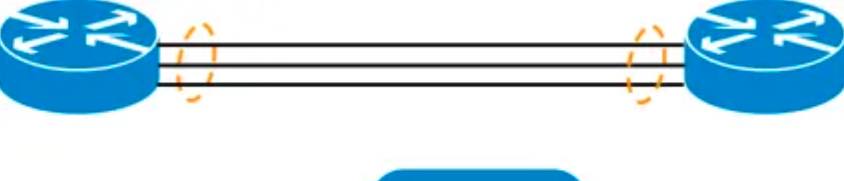
Static aggregation does not run the LACP protocol. Since the status of the link’s peer port cannot be detected if it is down, as long as the local port is up, traffic will still be forwarded to the peer port, which may cause some service interruptions.
2. Dynamic Aggregation
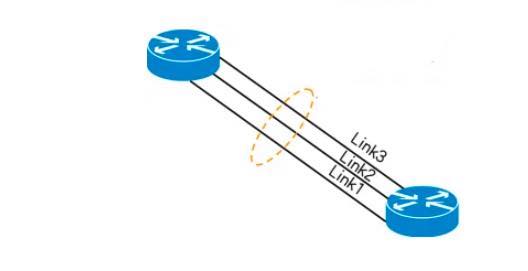
Dynamic aggregation runs the LACP protocol based on the IEEE802.3 ad. LACP (Link Aggregation Control Protocol) is a standard protocol described by IEEE 802.3 ad.
LACP is a protocol that implements dynamic link aggregation. Simply put, it is a protocol that dynamically aggregates multiple physical ports into a Trunk group to improve bandwidth and redundancy.
How does LACP(Link Aggregation Control Protocol) Work?
1. LACP dynamic mode aggregation group establishment process
Both ends send LACPDU messages to each other. Create a link aggregation group on devices at both ends, configure LACP mode, and configure member interfaces. Currently, the LACP protocol is enabled on the member interface, and both ends send LACPDU messages to each other. The LACPDU message contains information such as the device’s system priority, MAC address, interface priority, interface number, and operation key. Member interface joins link aggregation group. Both devices at both ends will receive LACPDU packets sent from the opposite end. Both ends view and record the peer information, compare this information with the information saved by other member interfaces of the aggregation group, and select a link aggregation group to join. Determine the aggregation group active interface. Active interfaces in the link aggregation group are selected based on the interface priority, and data is forwarded from these active links in a load-balancing manner.
2. LACP Working Mode
In active mode, the network device actively sends LACPDU and waits for a response from the peer device. If the peer device also supports LACP and is configured in passive mode, it will respond with LACPDU to establish link aggregation. In passive mode, the network device only receives LACPDU and responds accordingly according to the request. Devices in passive mode are usually not active.
3. LACP Time Out Mode
The long timeout mode is to send LACPDU slowly (30-second cycle), and the long timeout is a 90-second timeout. The short timeout mode is to send LACPDU quickly (1-second period), and the short timeout is 3 3-second timeout.
What are the benefits of link aggregation?
Increase link bandwidth
Link aggregation can increase network bandwidth. It forms a logical interface by aggregating multiple physical ports together. The maximum bandwidth of the link aggregation interface can reach the sum of the bandwidths of all member interfaces, thereby achieving a peer-to-peer physical link and doubling the bandwidth simultaneously. Improve Network Reliability
Link aggregation realizes link redundancy backup. When link aggregation is configured, when an active link fails, traffic can be switched to other available member links, thereby improving the reliability of the link aggregation interface and achieving link redundancy. For example, in the case of cross-slot link aggregation, service interruption caused by a single-slot failure can be well avoided. Implement traffic load sharing.
Within a link aggregation group, traffic can be shared to all member links based on certain rules. For example, the five-tuple includes source IP, destination IP, etc., thereby achieving load sharing of inbound/outbound loads on each member link. Reduce pressure on a single link.
What Are The “Use Scenarios” for Link Aggregation?
1. Fixed home broadband & campus network access scenarios

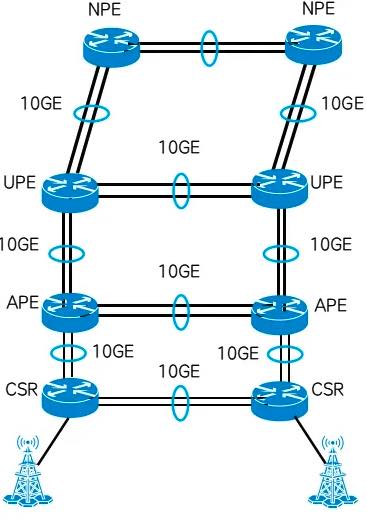
2. Mobile bearer access scenario
3. BRAS network scenario
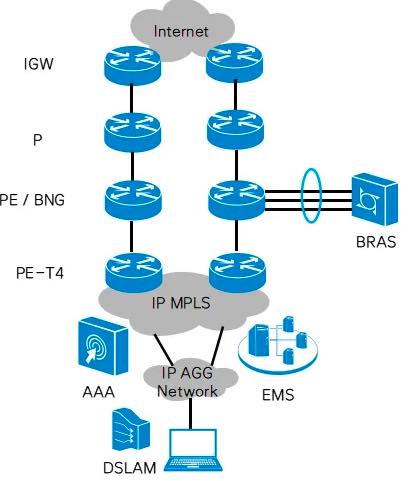 BRAS is the core equipment for fixed network business authentication and authentication. It has very high requirements, whether it is the increase in access user traffic or link security and reliability. The deployment of link aggregation in the BRAS network has the flexibility of bandwidth expansion. As access user traffic increases, link aggregation group members can be added to adjust the bandwidth of the link aggregation link dynamically; at the same time, link aggregation cross-board Bundling ensures the reliability of each board for tens of thousands of users.
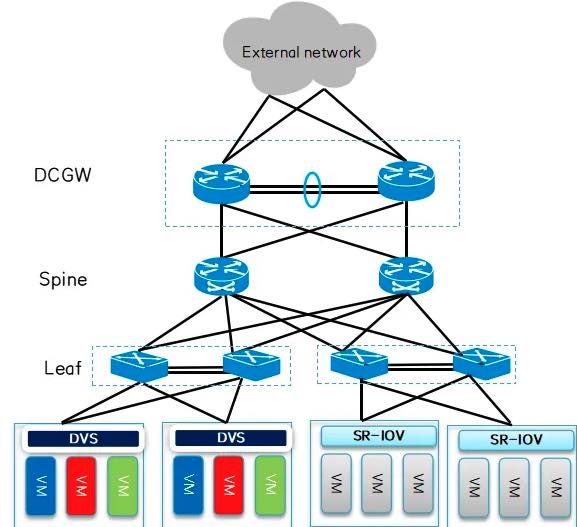
4. Data center scenario
Leave a Reply