Although smart TVs are much more feature-rich than traditional TVs, when we buy TVs, we really can’t decide based on features only. As we all know, most insufficient features can be made up for with an IPTV box, but if the picture quality is not good, then things can really get unsatisfying. So, in this post, we are providing you with standards for buying your next smart TV.

First off, the most important thing when choosing a TV is to look at the picture quality. No matter how smart the TV is, it is only a large-screen playback device. As consumers, we must not put the cart before the horse.
Standards for buying your next Smart TV: Avoid buying Smart TVs That Don’t Meet These Parameters
Next, I will give you a summary of some parameters. If the smart TV cannot meet these requirements, it is best not to buy it.
1. The Screen Brightness

Take LCD TV as an example: it has the highest brightness that can be achieved under a white screen, and “nits” are used to represent the unit.
The brightness of LCD TVs is achieved through backlight illumination. If you want to increase the brightness of the TV, you must increase the brightness of the backlight.
If the brightness is not enough, it will be very intuitively displayed on the screen, when the screen is dark and the details are not clear. The average TV brightness is between 380nits-400nits; if the brightness is lower than 380nit, don’t consider it.
In addition, if you want to achieve HDR+ image quality, the brightness must reach 600nits or even higher, and some high-end TVs can reach 1000nits brightness.
2. Wide Color Gamut

Smart TV has a wide color gamut, which can make the picture display richer in colors. It also makes the picture color transition more natural. It increases the layering and texture of the picture thereby avoiding picture distortion.
For ordinary LCD TVs on the market, the range of color gamut is usually around 72% NTSC, while wide color gamut LCD TVs generally reach above 90% NTSC.
However, when the wide color gamut technology just appeared, the color gamut of 82% NTSC was defined as a wide color gamut, and today’s technology is constantly being updated, and the standard for wide color gamut has naturally increased.
3. Refresh Rate
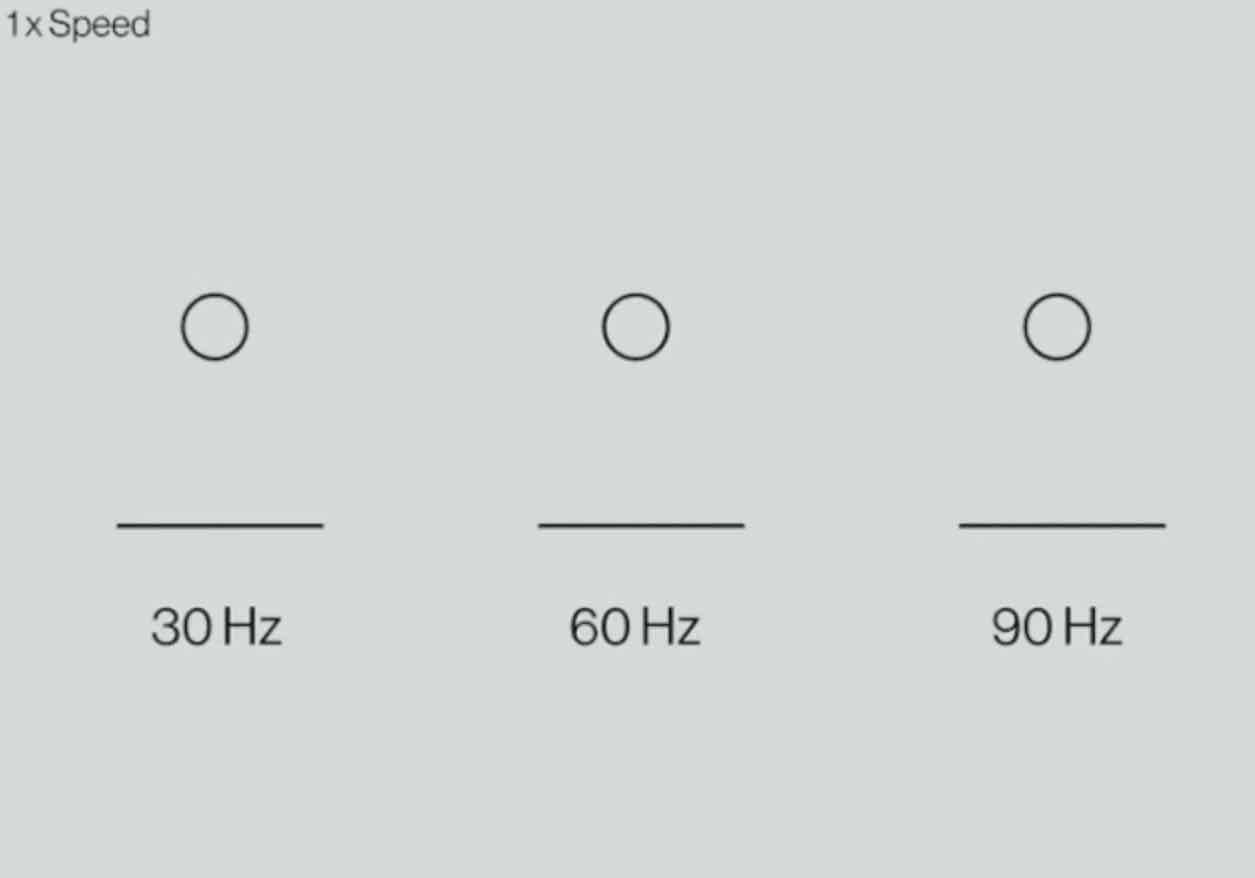
In the simplest terms, it is how many frames can be displayed in 1 second. For example: if it is displayed 50 times per second, then the refresh rate is 50Hz, and so on. The higher the screen refresh rate, the smoother the screen display and the eyes will not feel tired if you look at it for a long time. This is the benefit of the high refresh rate.
The refresh rate of low- and mid-range TVs will be around 60Hz. If it is lower than this number, it is recommended not to buy.
4. Direct-lit Backlight Partition
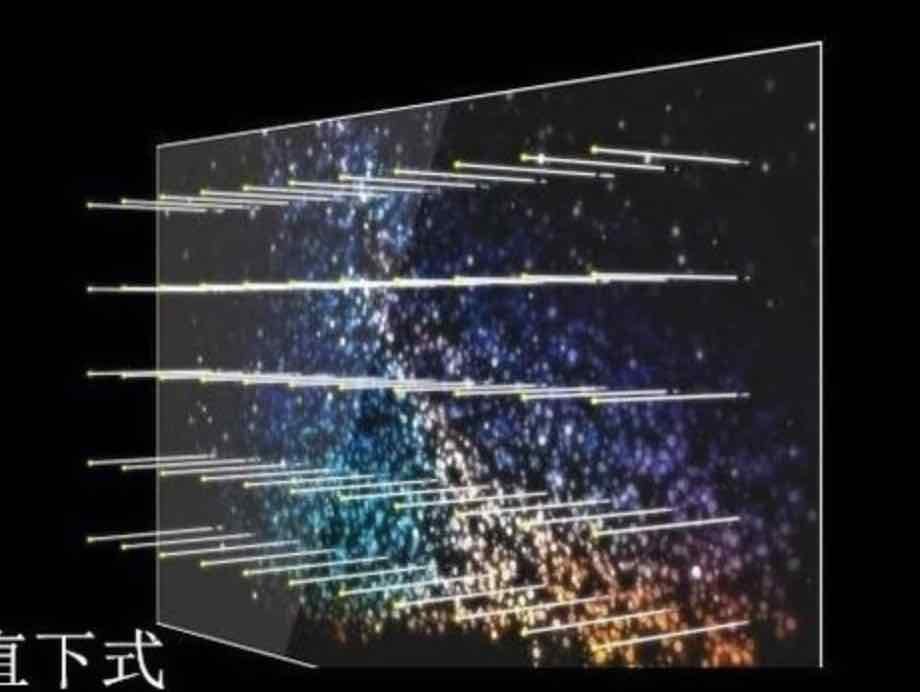
Only LCD TVs have the technology of backlight partition. The function is to divide the backlight into dozens or hundreds of independent partitions. When displaying different pictures, the bright place can be bright, and the dark place can be dark.
The transition between light and dark is natural. It can be said that an LCD TV without backlight partitions has a much worse picture.
5. Screen Resolution and Size
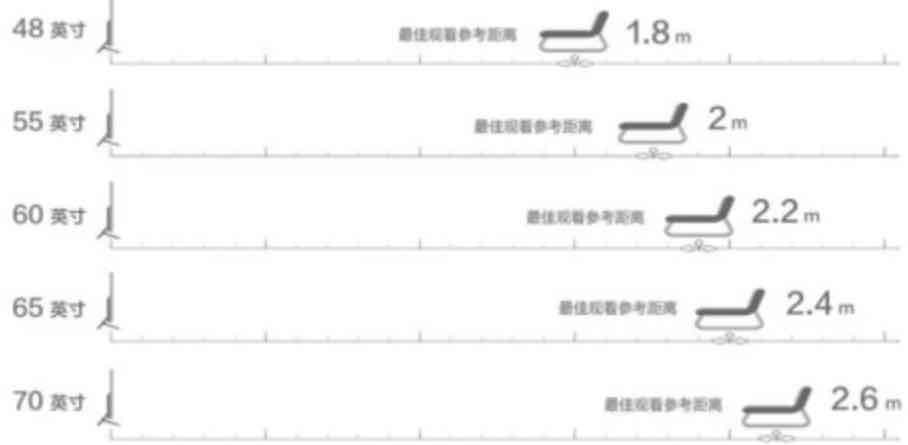
Nowadays, everyone is rushing for large-size smart TVs, but if you have individual needs and want to choose a small size, it is best not to be less than 50 inches. Frankly speaking, there are really no outstanding TV products for TVs of this size.
The service life of smart TVs is theoretically about seven years. If you want to extend the use time, you must pay attention to your usual usage habits. Of course, installing a TV box can also extend the life of the TV to a certain extent. Then we, are When choosing box products, try to choose good performance. The experience of using the box as a TV host will be much better.
Brands can consider the current mainstream products, such as Xiaomi box, Skyworth box, etc.
Summary
Smart TVs can mainly bring us more high-quality pictures and a multi-functional experience, so when you buy a TV, you should put the picture quality first. The points summarized above are for your reference.
Leave a Reply