The hardware part of a VR/AR terminal device is mainly composed of a processor, storage, screen, optical device, acoustic device, shell material, and auxiliary material. Among them, the screen is the primary factor affecting user experience. Surprisingly, OLED no longer dominates VR display technology. Now let’s analyze the reason why this is so.
Based on the characteristics of the use of VR and AR devices, the near-eye display/microdisplay screens of VR and AR devices need to have the features of low power consumption, high resolution, and high refresh rate.
To meet market demand, equipment manufacturers are actively trying a variety of display technologies. At present, LCDs still occupy the mainstream position in the market. AMOLED, liquid crystal on silicon (LCoS), and OLED on silicon (OLEDoS) also have advantages and certain potential. It remains to be seen who will unify VR display screens in the future.
OLED No Longer Dominates VR Display in Recent Times
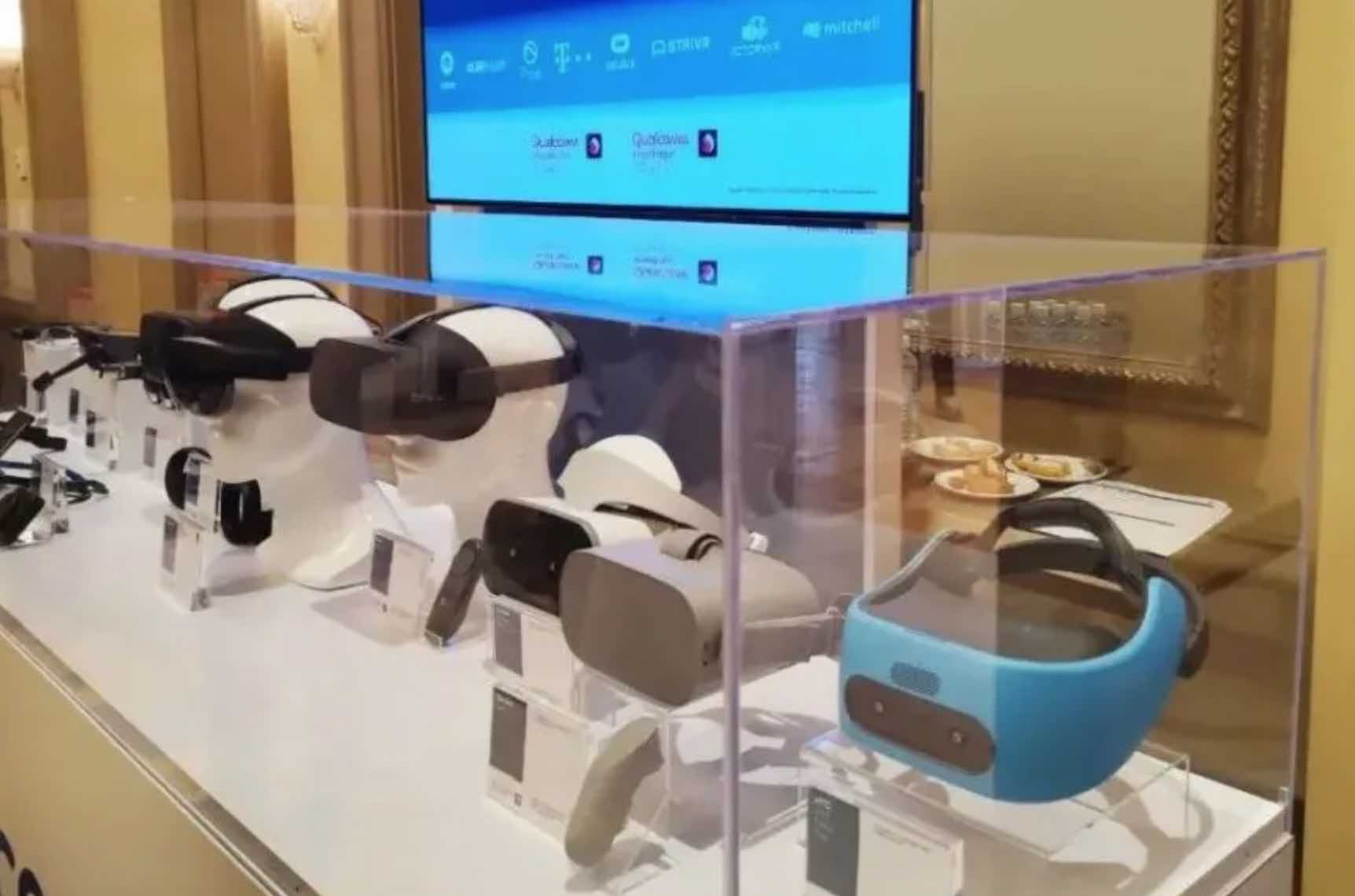
LCD has become mainstream in a market where OLED was previously dominating.
A few days ago, Oculus Quest 2 abandoned the OLED used in the first generation of its products and switched to LCDs.
Similarly, after HTC VIVE experienced AMOLED screens in the first-generation products, the second and third-generation products all use LCD screens. Pico Neo, The Valve index VR kit, also uses an LCD. Among the terminal equipment manufacturers, only Sony Play Station VR is still using OLED screens, and the release time of this product is 2016.
Therefore, from the current market application situation, LCD has become the mainstream choice for VR equipment manufacturers. Among VR head-mounted displays, LCD has the advantages of standard RGB, more detailed display, higher brightness, and relatively lower power consumption than OLED.
And because of the long application time and more mature technology, in comparison, its screen quality is high, not flickering, and it offers more eye protection. It has an undeniable cost advantage.
The senior vice president of HTC Global Business Solutions said in an interview with a reporter from China Electronics News:
“Around 2016, AMOLED is the first choice for VR equipment production, mainly because of its short time delay. However, after 2018, technology has improved. Increasing the response speed of LCDs, manufacturers have begun to lean towards LCDs.”
Basically, High-end products are still based on OLEDs, which have better image effects, lower power consumption, and a high refresh rate. By contrast, entry-level products are based on LCDs. The refresh rate does not need to be too high, and the resolution can be slightly higher.
Tingting Yang, general manager of the VR/AR BU of BOE Technology Group Co., Ltd., told the reporter of “China Electronics News”:
“The glass-based AMOLED is subject to the FMM process, and the pixel size is not small, and the PPI is not high, which leads to the graininess of the picture; and Silicon-based AMOLED is limited by the optical lens capabilities and cannot be made too small. The high cost of silicon wafers leads to high costs. It is currently used in high-end VR products. In the future, with the development of technology and the market, if silicon-based OLED becomes cost-competitive, It will set off a revolutionary explosion. At present, LCD is the best solution with high-cost performance and guaranteed production capacity.”
Micro-LED has Potential and Silicon-based Displays are also Worth Seeing
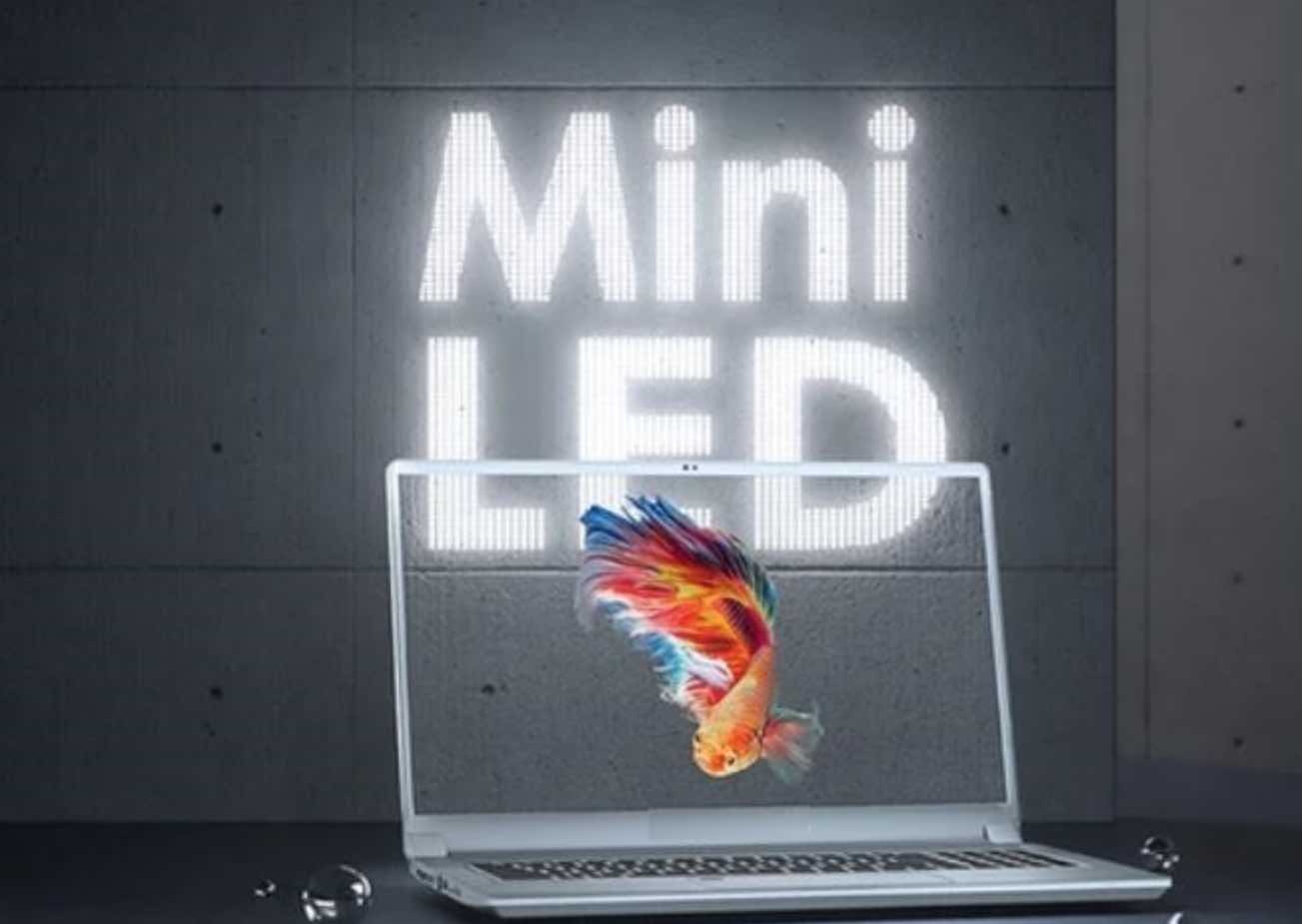
Although LCD has its advantages, it has some shortcomings, as follows:
- LCD color is darker than the OLED screen,
- the color is not as full and vivid as OLED,
- the screen is thicker and cannot be bent due to the existence of the backlight layer
- Furthermore, the display is prone to light leakage and long screen response time. And other issues.
According to some experts, it is said that “Because of its relatively complex structure and passive luminescence, it is difficult to meet the VR/AR performance in terms of weight, brightness, and color. , Power consumption requirements.” The industry has different voices regarding what kind of display screen should be used for VR/AR devices.
Micro-LED as it Affects VR/AR Displays
From the parameter point of view, compared with the millisecond response of DLP and the microsecond response of silicon-based OLED, Micro-LED has achieved a nanosecond response, and the response speed has been further improved.
In addition, the contrast has also been improved from LCoS1000:1 and DLP2500:1 To 100,000:1. The brightness is increased to 100,000 nits. It can be matched with the optical waveguide imaging solution with lower product thickness.
Due to Micro-LED’s characteristics, this type of screen is easier to achieve high PPI, small size, easy to carry, and low power consumption. It is more suitable for near-eye display devices. Due to the smaller volume of a single LED lamp bead, Micro-LED will be able to achieve higher resolution per unit area. From this perspective, Micro-LED will have greater advantages in AR/VR applications.
However, some experts also pointed out that the development of Micro-LED is still in the early stage, the production line is immature, the price is high, and very few manufacturers have mastered the technology.
Besides, the little manufacturers who know about it have not entered the consumer market. In addition, other display technologies, such as liquid crystal on silicon and OLED on silicon, also have their advantages.
In addition, Yang Tingting believes that miniaturization is an inevitable trend in developing VR screen displays. In combination with miniaturization requirements, display modules are required to achieve high pixel density.
Intelligentization is also the future trend of VR screen display. The display module integrates gyroscope malformation correction to create a display pass-through subsystem, which can minimize the delay of VR.
Expert’s Points of View
Hardware effort: reduce costs and improve user experience
From the VR/AR hardware products perspective, cost reduction and user experience improvement are the two most important factors.
The current VR/AR hardware products have a severe homogeneity problem. The upstream supply chain of the product has not been established, and the product cost remains high, which is not conducive to the popularization and development of such products.
In terms of user experience, in addition to the dizziness of display technology itself, reducing product weight, optimizing environmental interaction methods, and improving product endurance will be the direction of long-term follow-up efforts for this type of product.
Don’t Miss: Are high-end mobile phone vision killers? What are the advantages and disadvantages of OLED and LCD screens?
To solve VR Vertigo(Motion Sickness) from the Principle of the Visual System
Insufficient screen resolution is an important factor leading to a bad experience of wearing VR devices. If the VR device wants to realize the retina display, the binocular needs to realize the display level of 8K to 16K.
When wearing a VR headset, the distance between the display and the eyeball is very close, and the human eye cannot focus on very close objects. Improving the resolution of the display, expanding the field of view, and adjusting the convergence of our eyes when focusing is the key to solving vertigo.
To solve this problem, eye-tracking technology will also play a significant development potential. This technology can directly present many details on the user’s visual focus while reducing the picture details at the edge of the visual focus.
Reducing Latency Requires Creating a Systematic Balance
To continue to improve the experience of VR equipment, to improve the accuracy of tracking, the response speed is essential. The end-to-end delay includes display response, tracking, and content rendering time.
The lower the sum of these three parameters, the better the VR use effect. But these three parameters sometimes contradict each other: the more the resolution is increased, the higher the requirements for computing power, and the longer the rendering time.
According to the barrel theory, to reduce the delay of the entire VR device and improve the experience, the screen parameters must be improved, and the overall coordination of the tracking system and the rendering system must be paid attention to create a systematic balance.
Leave a Reply