Regarding smart TV operating systems, the Android operating system is widely popular. In addition to Android, the mainstream TV systems currently on the market include Apple TV OS, Samsung Tizen OS, LG Web OS, and Amazon Fire TV OS. At the same time, there are some self-developed closed systems. In this post, you can learn about the various smart TV operating systems.

Don’t miss:
Apple TV vs Nvidia Shield vs Fire TV vs Roku – Which one is Right for you?
How to Upload IPTV Playlists on Samsung and LG Smart TVs via Smart IPTV and SS IPTV Apps
various smart TV operating systems
Here, I will itemize and clearly explain the various smart TV operating systems that are currently popular. This will make you know how to use your TV’s OS best. Happy reading:
1. Android Operating System For Smart TV
The Android operating system, developed by Google, is an open-source mobile operating system based on Linux. It has three characteristics: openness, easy software development, and rich applications.
In terms of hardware platforms, the mainstream hardware platforms supported by the Android operating system include ARM, x86, and MIPS architectures. Because “ARM+Android” occupies most of the resources in the mobile phone ecosystem, it has prompted most of the smart TV device chips of the ARM framework to adopt Android or an Android-based operating system.
The Android Smart TV operating system was launched by Google in 2014. It is based on the Android 5.0 system and adopts the “ten-inch user interface” design concept. Compared with the Android operating system, Android TV supports Google’s application store and third-party application markets to install the software freely.
At present, the TV manufacturers using Android TV operating systems in the market include Sony, Sharp, Philips, and so on. The operation interface of this system conforms to ergonomic design, simple remote control can be operated, and application compatibility is high.
It should be noted that the Android operating system can quickly freeze after using it for a long time.
2. Apple tvOS Operating System

Apple tvOS is developed by Apple. It is based on the iOS operating system, and the operating interface also uses a “10-inch user interface.” Apple TV connects to the Internet through a wireless or Ethernet port, supports Apple AirPlay technology, and casts Apple iPhone, iPad, etc., onto the TV.
In terms of applications, users can only install software through the Apple App Store.
3. LG Web OS

The WebOS system is only installed on LG TVs. LG acquired all the assets of WebOS from HP, including source code, employees, and various related patents.
Its interactive interface is smooth, users can quickly switch between multiple application software, and the operation is relatively simple. However, there are not many applications that the Web OS can adapt to, and it cannot meet the needs of different groups of people.
4. Samsung Tizen Operating System
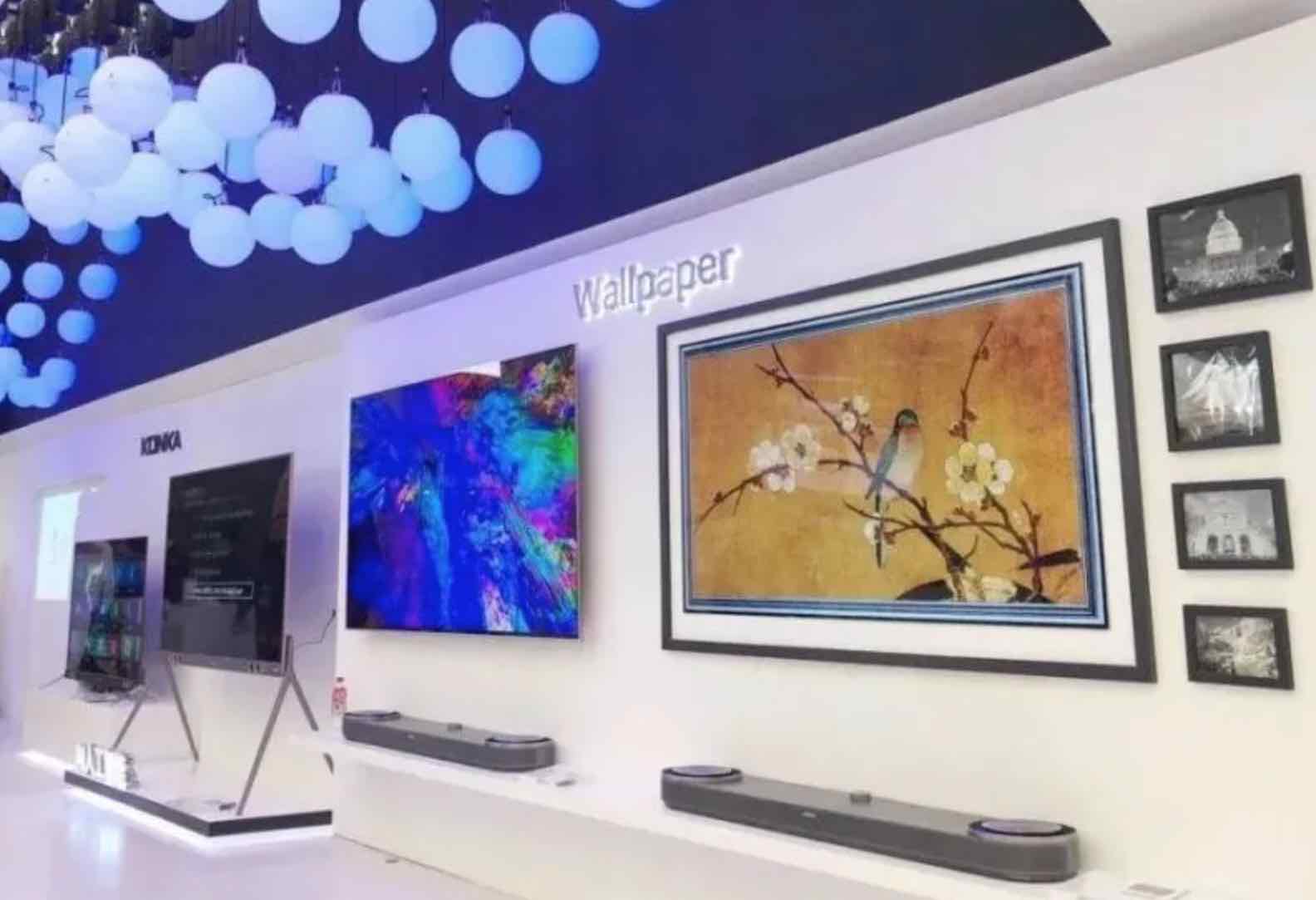
Samsung Tizen was launched in February 2012. Based on the Linux system framework, it combines BADA (Samsung) and MeeGo (Intel) systems to counter the Android and iOS camps.
Tizen is not only suitable for smart TVs; it can also be used on terminal devices such as mobile phones, tablets, in-vehicle systems, and netbooks. The disadvantage is that the number of adopted applications and devices is small.
5. Amazon Fire TV OS
Fire OS is based on the Android system and is compatible with the Android 4.2.2 version. It supports voice input and screen mirroring on Android mobile devices and is suitable for its Fire TV, Kindle Fire, and Fire Phone devices.
Leave a Reply