When applying to work in a company, or when you are already working in a company, you often hear system or platform names, such as ERP, CRM, SRM, PLM, HRM, OA, FOL, etc. All of these are very important client management systems.
Important Client Management Systems

In this post, I have compiled a list of the twenty-one most popular customer relationship and management software and their applications.
1. ERP (Enterprise Resource Planning)
Definition: Proposed by the American Gartner Group in 1990, it is an enterprise management software that takes management accounting as its core and can provide cross-regional, cross-departmental, and even cross-company integrated implementation information.
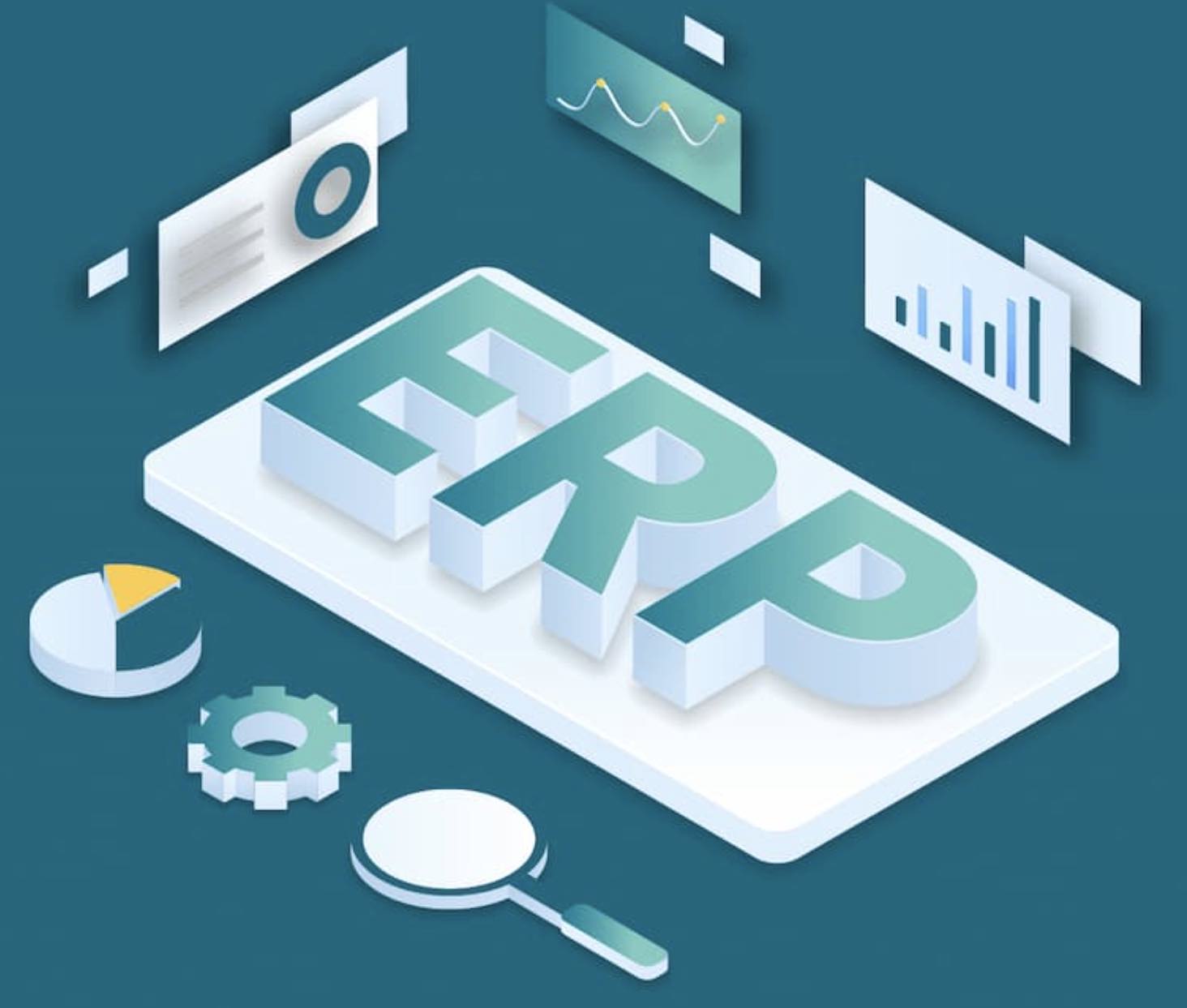
Enterprise resource planning refers to a management platform based on information technology and using systematic management ideas to provide decision-making and operation means for corporate decision-makers and employees.
Core functional modules of ERP: supply chain management, manufacturing management (MRP), quality management, human resources management, and financial management.
Typical manufacturers: UFIDA, Kingdee, Dingjie, Jushuitan, Oracle, and SAP.
2. CRM (Customer Relationship Management)
Definition: CRM is used to improve core competitiveness. Organizations use corresponding information and Internet technology to coordinate the interaction between enterprises and customers in sales, marketing, and services.
This tool enhances their management methods and provides innovative and personalized services to customers.
The ultimate goal is to attract new customers, retain old customers, and convert existing customers into loyal customers.
Core functional modules: lead management, customer management, business opportunity management, customer service, customer retention, transaction management, and marketing management.
Typical manufacturers: Fenxiang Sales, SalesEasy, Red Circle, Salesforce, Hubspot, Zoho, etc.
3. SCRM (Social Customer Relationship Management)
Definition: It is a customer relationship management system based on social media. Its purpose is to achieve effective communication and interaction between enterprises and customers through social media platforms, thereby improving customer satisfaction and loyalty and increasing the enterprise’s sales and market share.
Core functional modules: lead access, multi-scenario customer acquisition, channel ROI analysis, customer management, material library management, and transaction management.
Manufacturers: Tanma SCRM
Read Also:
- 5 Ways Technology is Changing the Real Estate Industry
- How to get the most out of your Environment Health and Safety(EHS) Management Software
4. SRM (Supplier Relationship Management)

Definition: SRM is used to improve the relationship with upstream suppliers in the supply chain. It is a solution of management ideas and software technology dedicated to establishing and maintaining long-term, close partnerships with suppliers.
It aims to improve the relationship between businesses and suppliers. A new management mechanism for relationships between suppliers is implemented in areas related to corporate procurement business. The goal is to establish long-term, close business relationships with suppliers, jointly develop markets and expand through the integration of resources and competitive advantages of both parties. This collaboration will reduce the high initial cost of products and achieve a win-win business management model.
Core functional Modules: sourcing and price comparison, bidding management, procurement application, procurement management, supplier management, supplier performance management, procurement arrival management, warehousing management, and procurement settlement.
Typical manufacturers: Qiqitong
5. OA (Office Automation)
Definition: This is a new way of setting up an office that combines modern and computer technology. There is no unified definition of office automation. Anyone who uses various new technologies, new machines, and new equipment to engage in office business in traditional offices belongs to the field of office automation.
By realizing office automation, or digital office, the existing management organizational structure can be optimized or adjusted. By adopting this system, collaborative office capabilities can be increased, and the consistency of decision-making can be strengthened.
Core functional modules: document management, process specifications, emails, approvals, notifications, and announcements.
Typical manufacturers: Microsoft, IBM, and DingTalk.
6. HRM (Human Resource Management)
Definition: It refers to a human resources management software that analyzes, plans, implements, and adjusts all aspects of an enterprise’s human resources management.
It can help enterprises select and arrange the right people at the right time. Go to the correct position and play the proper role to achieve the company’s correct strategic goals and maximize economic benefits.
Core functional modules: organizational management, employee management, attendance management, recruitment management, training management, performance management, salary management, contract file management, etc.
Typical manufacturer: Beisen.
7. SCM (supply chain management)

Definition: A supply chain management solution is comprehensively designed to coordinate and optimize the supply chain activities within and outside the enterprise.
It covers the entire supply chain process from raw material procurement to product delivery, including supplier management, logistics management, inventory management, order management, etc.
The SCM system helps enterprises realize supply chain visualization, collaboration, and optimization, improve the efficiency and flexibility of the supply chain, reduce costs, and provide better customer service.
Core functional modules: supplier management, procurement management, logistics and distribution management, delivery planning, receipt and delivery management, acceptance management, inventory management, sales order management, customer management, supplier collaboration, and customer collaboration.
8. MES (Manufacturing Execution System)
Definition: The system is a production information management system oriented to the execution level of the manufacturing enterprise workshop from raw material to finished product.
Core functional modules: manufacturing data management, planning and scheduling management, production scheduling management, quality management, human resources management, work center/equipment management, tool and tooling management, cost management, project dashboard management, production process control, underlying data integration analysis, Upper-layer data integration and decomposition etc.
Typical manufacturers: Siemens, Honeywell.
9. MOM (Manufacturing Operations Management)
Full English name: Manufacturing Operation Management
Definition: Manufacturing Operations Management (MOM), as a general research object, builds a general activity model to be applied to the four main operating areas of production, maintenance, quality, and inventory. It defines in detail the functions of various operating systems and the functions of each functional module—interrelationships between them.
Core functional modules: functional modules such as equipment management, production management, production planning, quality management, warehouse management, resource management, system basic management, and system integration.
Typical manufacturers: SINOMACH, Ruizhi, Yuangong, and Shugen Internet.
10 APS (Advanced Planning and Scheduling)
Definition: Advanced Planning and Scheduling is to solve production scheduling and production scheduling problems, often called sequencing problems or resource allocation problems.
In the discrete industry, APS is used to solve the optimal scheduling problem of multiple processes and multiple resources; in the process industry, APS is used to solve the sequence optimization problem.
It simultaneously solves sequence and scheduling optimization problems for process and discrete hybrid models, thereby having great significance for project management and project manufacturing to solve critical chain and cost-time minimization.
Core functional modules: production planning, MRP calculation, material control, digital production scheduling, complete calculation, material management, BOM management, process route management, system configuration, and integrated management.
Typical manufacturers: Andafa, Siemens, and Ziniwell.
11. PLM (Product Lifecycle Management)
Definition: Product Lifecycle Management is a method that is used within an enterprise in a single location, within an enterprise dispersed in multiple locations, and between enterprises that have collaborative relationships in the field of product research and development to support the creation, management, and distribution of information throughout the product life cycle.
Core functional modules: material management, product management, test management, recipe management, project management, process management, document management, demand management, cost management, and integration management.
Typical manufacturers: Dassault Systèmes enovia, Siemens, and SAP.
12. QMS (Quality Management System)
Definition: A management system that directs and controls an organization in terms of quality. The quality management system is established within the organization to achieve quality goals. It is a strategic decision of the organization.
Core functional modules: sample management, instrument and equipment management, testing configuration, personnel performance appraisal, customer quality management, quality analysis, change management, label management, quality report management, SPC, basic configuration, etc.
Typical manufacturers: Hexagon, Wanwu, Siemens, and Kudex.
13. Purchase, sale, and Inventory
Definition: It is called the purchasing and selling chain, which refers to the dynamic management process of purchasing (incoming) – warehousing (inventory) – sales (sales) in the enterprise management process. 2. Processing: refers to the process from inquiry and purchase to warehousing and payment. 3. Sales refers to the process from quotation and sales to delivery and payment. 4. Inventory: Besides warehousing, it includes picking, returns, inventory, profit and loss, borrowing, lending, and allocation that affect inventory quantity.
Core functional modules: procurement management, sales management, inventory management, and fund management.
14. Online Customer Service System
Definition: Online customer service, or online front desk, is a page communication technology that uses a website as a medium to provide instant communication between Internet visitors and internal website employees. Online customer service is the foundation of online marketing.
Core functional modules: channel access, session allocation, agent management, schedule management, quick reply, knowledge base management, work order system, intelligent customer service, and call center.
15. OMS (Order Management System)
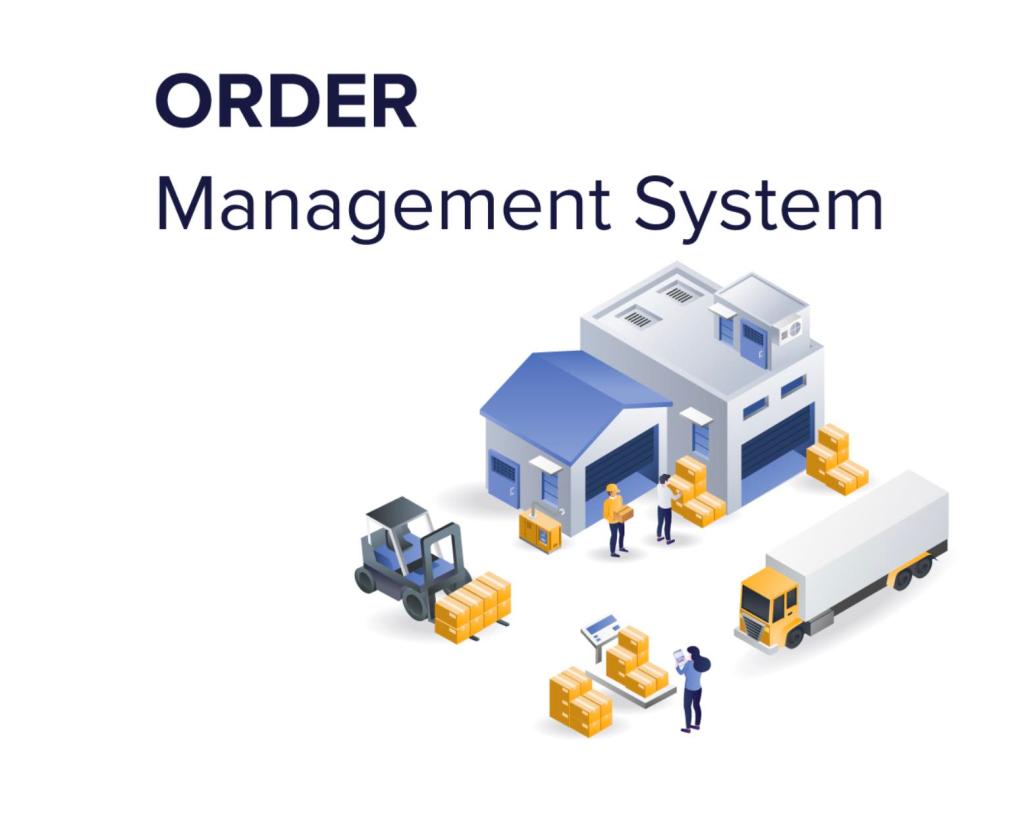
Definition: Ordering Management System is a system that accepts customer order information and inventory information from the warehouse management system, then categorizes the orders according to customers and urgency, configures the inventory in different storage locations, and determines the delivery date.
Core functional modules: order management, marketing control, commodity management, inventory management, distribution management, settlement control, distribution exception handling, order splitting and merging, and invoice management.
16. WMS (Warehouse Management System)
Definition: Warehouse Management System is a real-time computer software system that can more perfectly manage information, resources, behavior, inventory, and distribution operations according to operating business rules and algorithms and improve efficiency.
Core functional module: Warehousing management: batch warehousing/partial warehousing/return warehousing/one product with multiple positions/one product with multiple products/recommended shelves.
- Inventory management: dynamic/cycle counting: inventory adjustments/inventory movements: inventory transfers.
- Outbound management: order allocation: task package load selection/printing single box/multi-box review: weighing and handover.
- Management tools: inventory flow query/interface flow query/warehouse order cancellation/outbound order exception cancellation.
- Rule configuration: cargo owner/cargo category batch rule allocation/shelving/replenishment/wave rule task package/data source/printing process/store.
- Basic information: cargo owner/cargo category/goods warehouse/shore area/storage location: user/role.
Typical manufacturers: Fuller, Juwo, Kejian, Proger, and Infor.
17. TMS (Transportation Management System)
Definition: TMS is a (network-based) operating software under the “supply chain” group. It can improve logistics management capabilities through various methods and other related operations. This includes managing shipping units, specifying intra-enterprise, domestic, and foreign shipment plans, managing transportation models, benchmarks, and costs, maintaining transportation data, generating bills of lading, Optimize transportation plans, selecting carriers and service methods, soliciting bids and bids, audit and pay freight bills, handle cargo damage claims, arrange labor and space, manage documents (especially when shipping internationally) and manage third-party logistics.
Core functional modules: resource management (carrier management, driver management, vehicle management), customer management, transportation management (order management, waybill management, loading center, receipt management), quotation management, contract management, settlement management, financial management, integrated management, etc. Carrier side, driver side.
Typical manufacturers: Comma Technology, Kejian, and Fuller.
18. LIMS (Laboratory Information Management System)

Definition: LIMS is an information management system that combines information technology with databases as the core and laboratory management needs.
Core functional modules: entrustment management, sample collection management, task management, sample flow, report management, automatic collection, financial and salary management, label management, equipment management, and laboratory data management.
19. CMS (Content Management System)
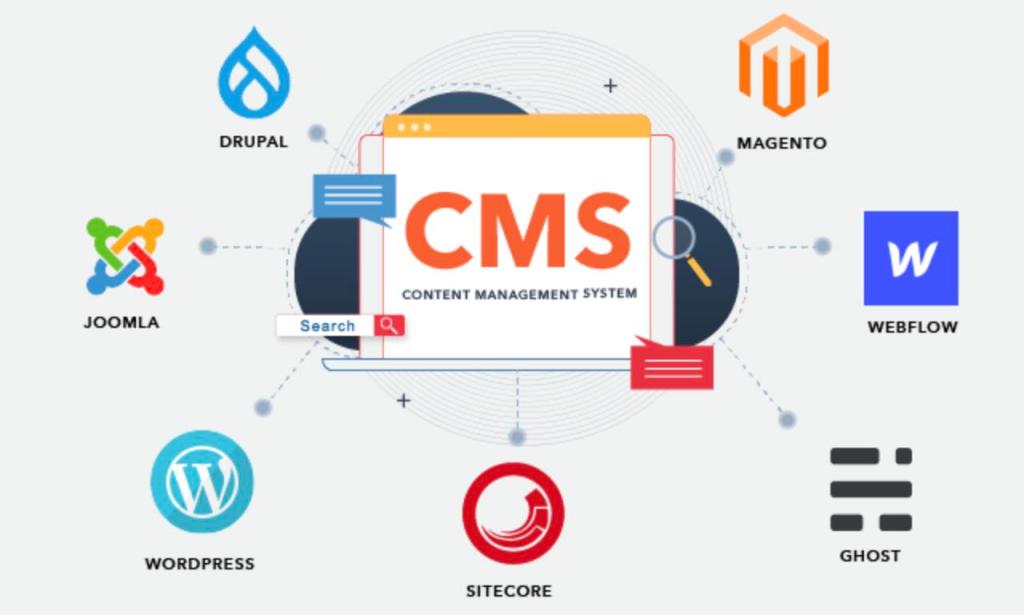
Definition: It is a software system located between the WEB front-end (Web server) and the back-end office system or process (content creation, editing).
Content creators, editors, and publishers use the content management system to submit, modify, approve, and publish content. The “content” referred to here may include files, tables, pictures, data in databases, even videos, and any information you want to publish to the Internet, Intranet, and Extranet websites.
Core functional modules: column management, tag management, article management, advertising management, site management, material management, and template management.
Typical manufacturers: Dreamweaver, Fanke, Empire, WordPress, Drupal, Sitecore.
20. BI (Business Intelligence)
Definition: Business Intelligence refers to using modern data warehouse technology, online analysis and processing technology, data mining, and data presentation technology to conduct data analysis to achieve business value.
Core functional modules: self-service analysis, large-screen visualization, Chinese-style reports, and visual ETL.
Typical manufacturers: Fanruan, smartBl, powerBl.
21. Big data platform
Definition: big data technology is a platform for collecting, storing, and analyzing large amounts of data to improve business activities such as business processes and data visualization.
The data platform aims to create a unified, reliable, continuous, and comprehensive data storage, management, and retrieval solution to achieve effective data management, auditing, spatiotemporal retrieval, model application, decision-making analysis and services and other composite applications and services.
Core functional modules: data access, data model management, label system management, portrait analysis, automated operations, customized reports, data cockpit, data dashboard, and data large screen.
Leave a Reply