Could using AI to write for you actually make your brain slower over time? That’s the question researchers at the MIT Media Lab set out to explore. In this post, we will address the question: Does AI writing make your brain lazy?
In early 2025, a college student sat quietly in the MIT Media Lab, wearing an EEG helmet —an advanced device with 32 cool, gel-filled sensors and silver-gray electrodes carefully placed around his scalp. In front of him: a laptop, a writing prompt from the SAT, and 20 minutes on the clock.
He was allowed to ask ChatGPT for help, but couldn’t use any other software or tools. While he worked, the EEG helmet recorded his brain activity in real time.
Does AI Writing Make Your Brain Lazy

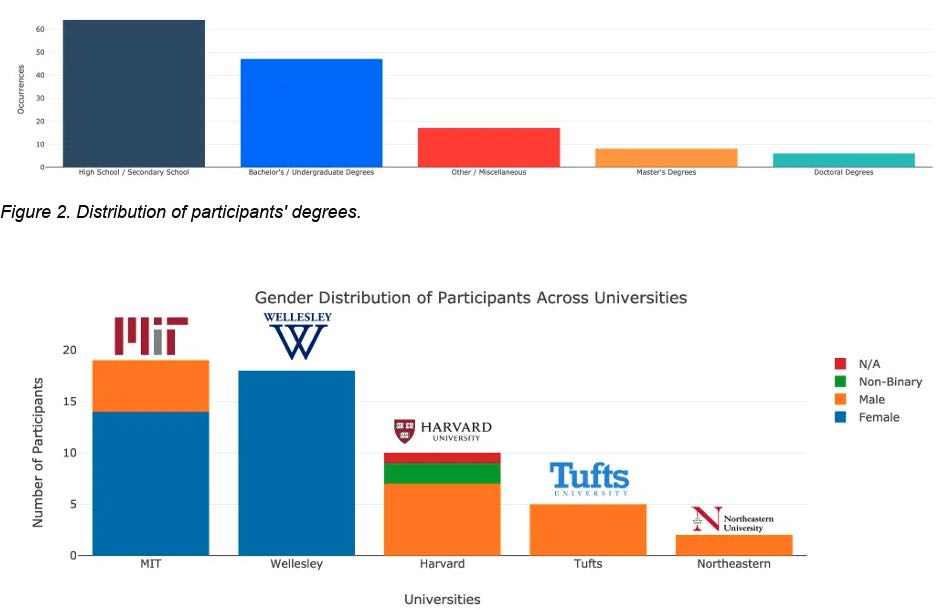
Led by Nataliya Kosmyna, a research scientist at the lab, the experiment involved 54 students from Harvard, MIT, and Tufts. It combined EEG brainwave tracking with natural language processing (NLP) analysis to examine how AI assistance impacts cognitive effort during writing closely.
This was one of the first studies to put AI-assisted writing under a scientific microscope, measuring not only the quality of the writing but also what was happening inside the brain while the writing was taking place. And the early findings? The more students relied on AI, the less active their brains were.
Relying too heavily on AI tools like ChatGPT for writing over an extended period could actually reduce brain activity. Interestingly, when people stop using AI after heavy reliance, their mental response slows down, and their ability to organize language temporarily weakens.
In comparison, using a search engine to help with writing falls somewhere in the middle. It offers a decent level of clarity and structure, and people report feeling more satisfied and connected to the work they produce.
Writing without any digital assistance, just using your own memory and thinking, activates the brain the most. It not only improves cognitive performance but also gives writers the strongest sense of ownership and personal connection to their work. Surprisingly, among AI tools, GPT-4 led to a temporary increase in brain activity during use, though the long-term effects remain concerning.
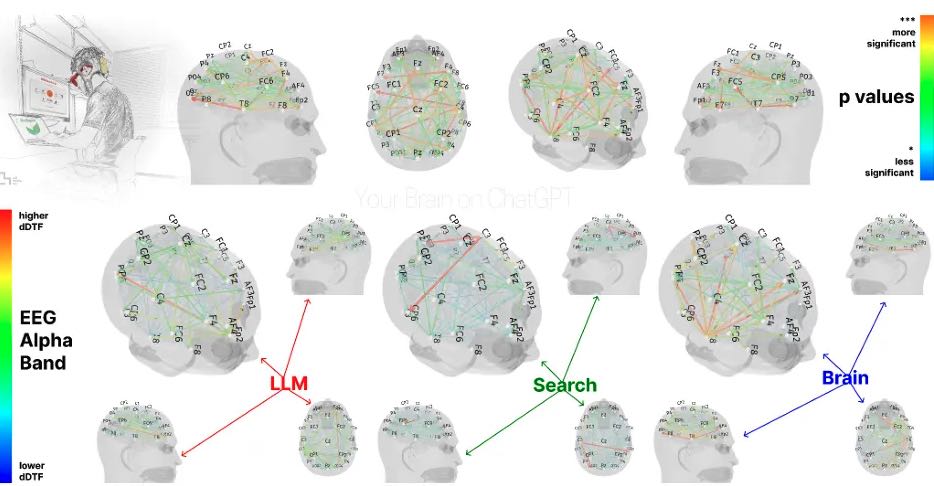
To study these effects, researchers at MIT had students wear EEG helmets—devices that monitor brainwave activity—while writing English essays.
Wearing a Brainwave Helmet to Write an English Essay
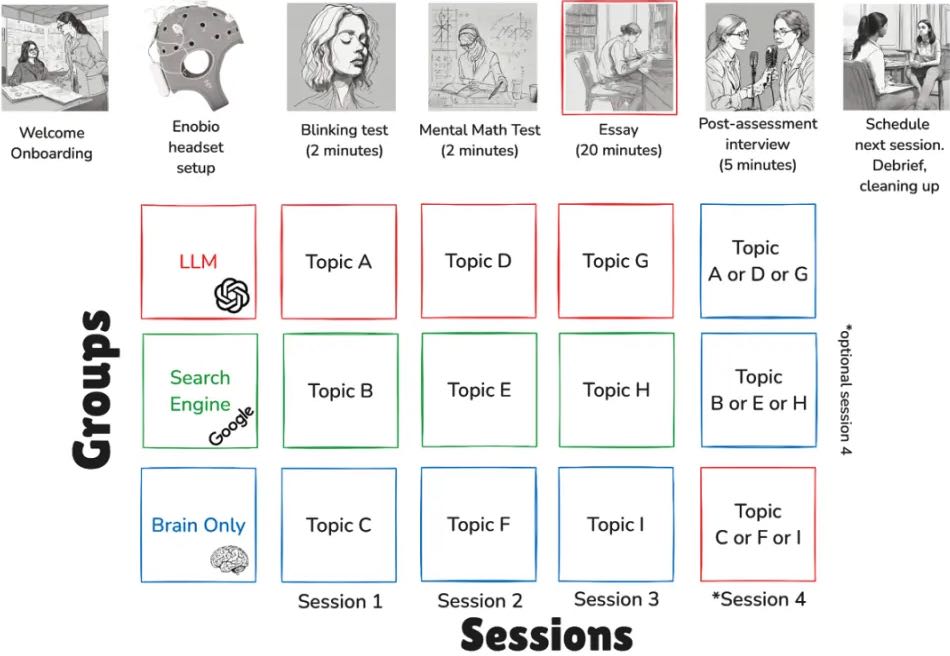
The participants were divided into three groups, each assigned a number (P+number). One group used only OpenAI’s GPT-4o to gather information (AI group). Another could search using Google, but couldn’t use AI (search group). The last group relied solely on their own knowledge and understanding, with no digital assistance at all (brain group).
Each participant completed three 20-minute writing sessions. Topics included questions like:
“Does success have to help others to make us happy?”
“Do more privileged people have a greater moral responsibility to help the less fortunate?”
“Can art really change someone’s life path?”
There was also an optional fourth round for anyone who wanted to keep writing. All essays were then evaluated by two different systems: a human English teacher and an AI scoring tool. The researchers compared the scores to see how AI and humans differed in their judgment of what makes a good essay.
Interestingly, some teachers noted that while AI-assisted essays had flawless grammar, they often lacked depth and originality. They preferred essays that felt more thoughtful and personal, even if they weren’t as polished.
MIT’s goal wasn’t to judge the students’ writing skills but to explore a concept they called “cognitive debt.”
Simply put, cognitive debt refers to the mental cost of outsourcing thinking and writing to AI. While using AI may save time and effort in the short run, it could eventually weaken your ability to think critically, form independent opinions, and be creative over time.
How Different Writing Methods Affected Brain Activity and Ownership
Among the three groups, students who relied entirely on their own memory and understanding, the “brain group,” showed the most active brainwaves. Their cognitive functions, including critical thinking, organization, and execution, were highly engaged throughout the task. The group using search engines came in the middle, while the AI group showed the weakest brain activity overall, with noticeable drops in attention as time went on.
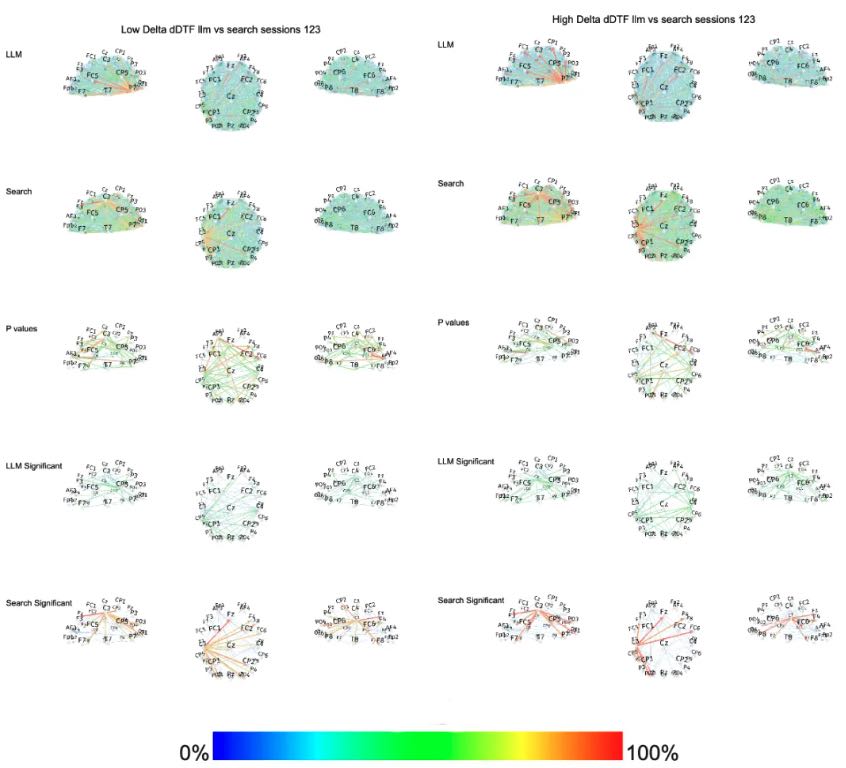
The researchers also wanted to explore a key question: once we start relying on AI to think for us, do we still retain the ability to recall the process of writing?
Three Writing Approaches, Three Mindsets
After each essay session, the research team interviewed participants to better understand their thought processes, emotional states, and writing behaviors. Two major themes emerged:
Citation ability – Could participants clearly identify the source of the information they used?
Sense of ownership – Did they feel the essay was truly their own work?
The interviews revealed striking differences among the three groups. Each had its own distinct writing habits and emotional responses. Students who used GPT-4o to assist with writing often had mixed feelings. While they acknowledged the convenience of AI, many also reported feeling uneasy or uncertain about the final output.
In the first round, most students in the AI group didn’t let ChatGPT do all the work. They used it mainly as a brainstorming tool. For instance, student P48 asked GPT-4o to help summarize the topic options before choosing one to write about independently.
Some participants, particularly those who preferred search engines, were more skeptical. They felt that while ChatGPT could offer ideas, it wasn’t reliable enough to be their primary source of information.
Students’ Honest Feelings About Using AI in Writing
I have to say, this year’s college students were surprisingly honest about their experiences. Some admitted feeling a bit guilty after rushing to use GPT-4o to complete their essays. Even though they didn’t consider using AI as cheating, many still felt that something was off about relying on it.
This conflicted feeling also came up when students were asked whether they felt the essay truly belonged to them. Among the AI group, opinions varied widely. Some believed the essay was half theirs and half AI’s work, others felt they controlled the overall structure enough to claim ownership, while some initially didn’t see the work as theirs at all. They only grow comfortable with it after repeated use.
Because GPT-4o provides ready-made answers, many students didn’t pay much attention to where the information originated. When it came to citing sources, some either forgot to mark them clearly or simply couldn’t recall them. Regarding satisfaction, AI users generally felt their essays were acceptable but often believed the writing lacked depth and didn’t fully express their true thoughts.
By contrast, students who relied on traditional search engines followed a more deliberate process. They used searches to gather information, planned their essay structure beforehand, and carefully found supporting arguments while writing. Their essays showed clearer logic and a steadier flow. Many even included personal experiences, emotions, or reflections.
Thanks to this approach, the search engine group scored best on citations. They could clearly identify and reference their sources, and reported higher satisfaction with their work.
Writing Without AI: The Brain Group’s Raw Experience
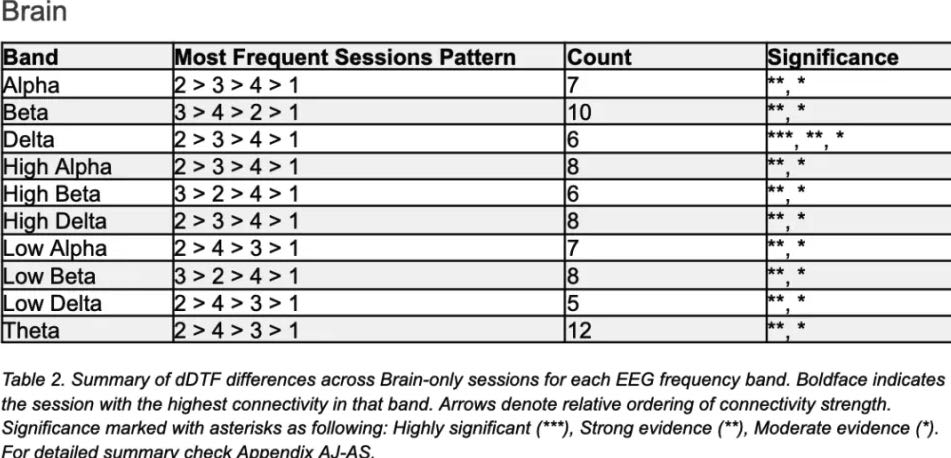
For the most “primitive” group, the brain group, students had no access to AI tools or search engines. Everything had to come from their own memory, comprehension, and real-time thinking. While this method was undoubtedly slower and more exhausting, it offered the most grounded and immersive writing experience.
By the third round, some students had started drafting outlines before writing, showing growth in planning and structure. Even though they couldn’t look up citations, they remembered their content clearly, because they had thought through and written every word themselves.
Most students in this group felt a strong sense of ownership over their work. As one student, P50, put it: “Because it’s about my own experience.” With each round, their satisfaction grew. Even if they struggled at first, they gradually found their rhythm and confidence.
Does Using AI Too Much Make Students Less Sharp?

While the first three rounds highlighted immediate differences in writing styles, the fourth round revealed something more profound.
Only 18 students chose to continue into this voluntary final round. The rules were flipped: students who had been using GPT-4o throughout the experiment had to write without any AI support, while those who hadn’t used AI were now allowed to use it for the first time.
The result? Predictably revealing.
Students who had relied heavily on GPT-4o showed noticeable difficulty adjusting to writing without it. Many experienced slower thinking, reduced focus, and a drop in cognitive sharpness. Some admitted they struggled to return to the mental state they had before using AI.
AI-Written Essays: Templated, Forgettable, and Detached
Text analysis of AI-assisted essays supported the researchers’ concerns. These writings often relied on repetitive vocabulary and templated sentence structures, easily recognizable as “AI-generated” in tone. In many cases, it seemed students had internalized and mimicked the AI’s phrasing without realizing it, rather than expressing their own voice.
During interviews, most students in the AI group had trouble recalling specific details about the essays they’d written. Unsurprisingly, they also scored the lowest in two key areas: a sense of ownership over their writing and the accuracy of their memory of it.
Brain-First Writers Excel After Using GPT-4o—Not the Other Way Around
In stark contrast, students who had written independently in the earlier rounds (the “brain group”) showed a surprising transformation after using GPT-4o for the first time in round four.
EEG scans revealed a measurable surge in brain activity. Neural signals across Theta, Alpha, and Beta waves spiked, showing that these students weren’t just passively consuming AI content—they were actively engaging with it. Their brains remained fully involved in the creative process, unlike the AI group, which showed consistently low and declining neural activity over time.
This renewed engagement showed up in their writing, too. Their essays were tighter, richer in content, and scored significantly higher when assessed by real English teachers. These students also expressed a stronger emotional connection to their work. When asked, many confidently said, “I wrote this.” Their memories were clearer, and their sense of ownership was higher.
“Your Brain on ChatGPT”: The Paper That Sparked a Storm
This long-term experiment culminated in a research paper titled “Your Brain on ChatGPT: Accumulation of Cognitive Debt When Using an AI Assistant for Essay Writing.” It was published on arXiv in June 2025.
The study quickly ignited discussion across social media and academic communities. Many reacted with sharp labels like “LLMs make people dumber” or “brain rot,” sparking debate over how we should, or shouldn’t, rely on AI in creative work.
“Stupid” Is Not the Point: MIT Researchers Push Back Against Oversimplified Reactions
In response to the heated public debate, the study’s lead author, Nataliya Kosmyna, addressed the backlash directly. She reposted a message on X (formerly Twitter) featuring a screenshot from MIT’s official dissemination guide for the paper. The image contained a clear note to journalists and the public:
Is it true that Large Language Models (LLMs) essentially make us “stupid”?
No. Please don’t use words like “stupid,” “dumb,” “brain-damaged,” “harmful,” “causing harm,” etc.
These are gross misrepresentations of the research. We did not use those words in the paper—especially if you’re a journalist reporting on this.
The MIT research team didn’t claim that AI will “destroy the brain.” What they did investigate was a subtle but growing phenomenon: the process of self-expression, once deeply personal and cognitively rich, is being increasingly reduced to typing a few simple prompts and letting AI do the rest.
Writing has never been easy. It involves choosing ideas, structuring arguments, refining sentences, and sometimes staring at a single word for minutes before deciding if it’s the right fit. All of that activates memory, attention, and growth.
It took millions of years for the human brain to evolve this capacity for complex thought and expression. If we reduce ourselves to copy-paste operators in the age of AI, we risk short-circuiting a hard-won part of what makes us human.
That’s the genuine concern: not that we’re getting “dumber,” but that we might voluntarily give up thinking at all.
That is insightful, thanks