What is a base station shell made of? Won’t it get damaged by wind and sun?” I had never given much thought to the material of their protective shell. That simple question sparked my curiosity. What are the best materials for base station shells?
Outdoor Base Station Housing: Why Choosing the Right Material Matters
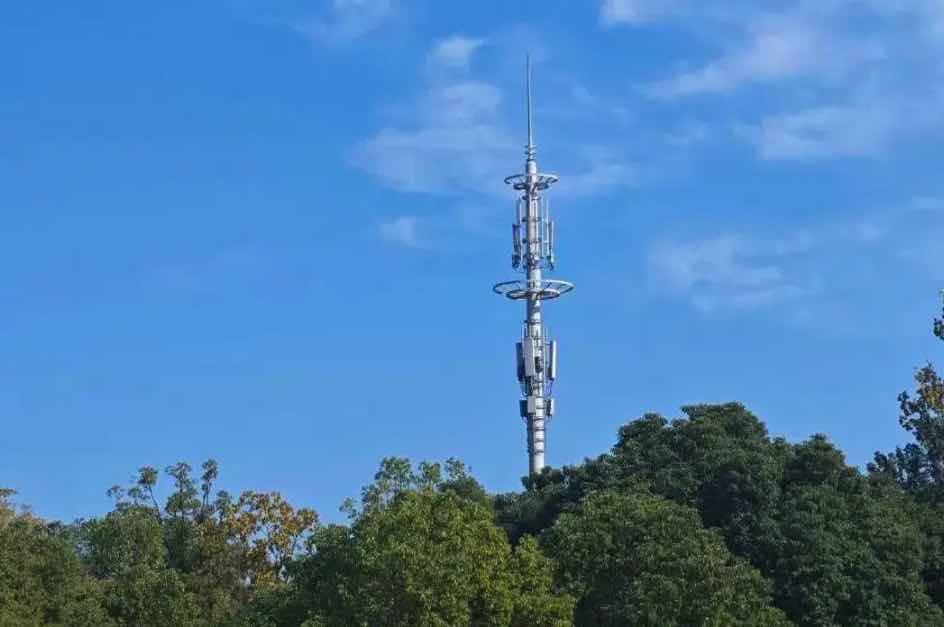
In today’s fast-paced digital world, mobile phones and the internet are essential to daily life. Outdoor base stations are the backbone of our communication networks, ensuring strong and reliable signal coverage.
They are everywhere—perched atop skyscrapers, lining city streets, and even standing in remote rural areas. You’ll find them in dense forests, barren deserts, and rugged mountain ranges, braving the elements to keep us connected.
However, due to exposure to harsh weather conditions, extreme temperatures, and environmental wear and tear, the materials used for base station shells play a crucial role in durability, efficiency, and long-term performance.
So, what are these materials, and why are they chosen? Let’s dive in.
The Harsh Reality: Environmental Challenges for Outdoor Base Stations
Outdoor base stations endure extreme environmental conditions. Beyond long-term exposure to direct sunlight, they must withstand wind, rain, and even physical damage from hail, birds, or other external forces.
If the base station shell—technically known as a radome—is made from unsuitable materials, it won’t provide adequate protection for the internal antenna oscillator and PCB board. This can significantly shorten the station’s lifespan and lead to frequent malfunctions.
Best Materials for Base Station Shells: Why Wood and Metal Fall Short
The answer is clear: wood is not an option.
- It has poor water and corrosion resistance, making it prone to aging.
- Even with protective coatings, durability remains a concern.
- Wood is flammable, posing serious fire hazards.
What about metals?
- Standard metals like steel, iron, and aluminum offer good mechanical strength and temperature resistance.
- However, they tend to corrode over time and require extensive maintenance.
- Their weight makes installation more difficult and requires strong support structures.
- Most importantly, metal blocks RF signals, severely affecting communication quality.
The Plastic Alternative: A Game-Changer for Base Station Shells
Given the limitations of wood and metal, plastics have become the preferred choice for base station housings. Common options include:
- Glass Fiber Reinforced Plastic (GFRP) – Strong but heavy, with a less appealing appearance.
- Polypropylene (PP) – Good weather resistance, but its dimensional stability and flame resistance are suboptimal.
- ASA Resin – Great UV resistance but lacks durability in high-temperature environments.
Polycarbonate (PC): The Ultimate Base Station Shell Material
Among plastics, polycarbonate (PC) stands out as the best choice.
- Known as PC plastic, this thermoplastic polymer is renowned for its strength and impact resistance.
- It is lightweight, making installation easier.
- It is naturally flame-retardant and resistant to extreme weather conditions.
- Often called “bulletproof glass,” PC is widely used in industries requiring durable materials.
Traditional PC materials have faced challenges in extreme outdoor conditions, particularly low temperatures. However, with recent technological advancements, manufacturers like Covestro have developed Makrolon® outdoor low-temperature impact polycarbonate (PC)—a highly improved version that enhances durability, weather resistance, and impact strength in harsh environments.
Unmatched Advantages of Covestro’s Advanced Polycarbonate (PC) Material
Covestro’s latest polycarbonate (PC) material brings cutting-edge durability and resilience to base station housing. Here’s why it stands out:
1. Exceptional Cold Resistance
- This PC material maintains its toughness and superior impact resistance even in extreme temperatures as low as -40°C.
- This ensures base stations remain fully operational in harsh winter conditions.
2. Outstanding Moisture and Heat Aging Resistance
- Rigorously tested under 85°C and 85% humidity (commonly known as “double 85” testing), it retains high strength and mechanical integrity even after thousands of hours of exposure.
- This makes it highly reliable in humid, high-temperature environments.
3. Superior Thermal Stability
- Capable of withstanding extreme temperature variations from -40°C to 85°C while maintaining its structural and mechanical properties.

- It ensures stable, long-term performance in freezing tundras or scorching deserts.

With these advanced features, Covestro’s polycarbonate sets a new standard for durable, weather-resistant base station enclosures.
Why Covestro’s Advanced Polycarbonate (PC) is the Ultimate Choice for Base Station Housings
Beyond temperature resilience and impact resistance, Covestro’s Makrolon® outdoor low-temperature impact-resistant polycarbonate (PC) solution offers several additional advantages that make it ideal for harsh outdoor environments.

Superior Salt Spray Corrosion Resistance
- Successfully withstands hundreds of hours of high-concentration salt spray testing without signs of aging or performance degradation.
- It is ideal for coastal and offshore communication facilities, such as port terminals and offshore platforms, where salt spray corrosion is a significant concern.
4. Environmentally Friendly with a Lower Carbon Footprint
- The Makrolon® RE series incorporates biowaste and residues instead of fossil-based materials, significantly reducing reliance on petroleum.
- Meets stringent European and U.S. sustainability requirements, making it an excellent choice for eco-conscious telecom companies.
5. Greater Design Freedom for Camouflaged Base Stations
- Many outdoor base stations require customized aesthetics, including camouflaged or beautified designs.
- Covestro’s CMF (Color, Material, and Surface Treatment) solution supports diverse color choices, surface textures, and finishes, enhancing visual integration with urban or natural landscapes.
6. Value-Added Technical Support for Faster Market Deployment
- Covestro goes beyond providing materials—it offers technical support throughout the application development cycle, including:
✅ Component/mold design guidance for streamlined manufacturing
✅ RF technology expertise to optimize signal transmission
✅ Development assistance to shorten production timelines and accelerate time-to-market
Enabling High-Reliability & Durability Across Outdoor Applications
While base station housings are a key application, Covestro’s outdoor low-temperature impact-resistant polycarbonate (PC) solutions are also ideal for:
✅ Small outdoor base stations
✅ Outdoor CPE terminals
✅ Satellite communication terminals
✅ IoT devices
✅ New energy equipment
For example, Baicaibang, a leading 5G base station equipment manufacturer, has adopted Covestro’s PC material for the antenna shell of its 5G millimeter-wave base stations, significantly enhancing durability and performance.
Final Thoughts: A ‘Polygonal Warrior’ for Outdoor Communications
With its outstanding durability, environmental benefits, design flexibility, and technical support, Covestro’s polycarbonate (PC) solutions are setting a new standard for next-generation communication infrastructure. This advanced material ensures unmatched reliability and longevity for outdoor telecom equipment, whether in extreme weather, coastal regions, or urban environments.
The Future of Base Station Shell Materials: Performance & Sustainability
As we all know, millimeter-wave frequencies are highly susceptible to environmental interference and material properties. The dielectric characteristics of base station antenna shell materials play a crucial role in signal transmission and communication quality.
Covestro’s Makrolon® outdoor low-temperature impact-resistant solution has proven its superior dielectric stability across a broad frequency spectrum, minimizing millimeter-wave signal loss and ensuring consistent communication performance.
Driving Sustainable Innovation in the Telecom Industry
With sustainability at the forefront of the communications sector, industry leaders are increasingly preferring low-carbon material solutions.
For example, Deutsche Telekom, one of Europe’s leading telecom operators, has integrated Covestro’s Makrolon® RE polycarbonate, made with recycled biomass raw materials, into its next-generation fixed-line equipment. This innovation:
- Reduces the carbon footprint by over 80% compared to petroleum-based polycarbonates
- Maintains high optical performance, meeting infrared penetration requirements
- Earned Deutsche Telekom’s GreenMagenta sustainability certification
Final Thoughts: A New Era for Communication Infrastructure
Exploring the materials behind base station shells has been an eye-opening journey—a reminder that even seemingly small components play a huge role in shaping our digital world.
As the digital revolution advances, more communication infrastructure will be deployed worldwide, bridging connectivity gaps and enhancing digital inclusion.
Next-generation polycarbonate (PC) materials are at the heart of this transformation, providing the durability, efficiency, and sustainability needed to build a truly connected future. With such innovations, we are one step closer to a world where uninterrupted, high-quality communication is accessible.
Leave a Reply