It can be said that every time the TV industry goes through a phase, there will be products of different forms, from the original CRT TV to LCD TV and then to plasma and OLED. Sony also released the world’s first curved screen “LCD TV.” However, for today’s consumers, curved-screen TVs are obviously unable to meet their daily needs. That brings us to the question, are curved-screen televisions unsustainable?
Looking at today’s TV market, there are very few products related to curved-screen TVs, and TV manufacturers are not producing them anymore. Is the curved screen TV an IQ tax(it means the money you spent while not using your brain)?

Curved-Screen TVs Are Visually Appealing
The curved-screen TV is creative to a certain extent.
The screen is not a horizontal straight line like the regular flat screens, but an inwardly concave curve shape. To be honest, curved-screen TVs Offer a more comfortable visual experience.
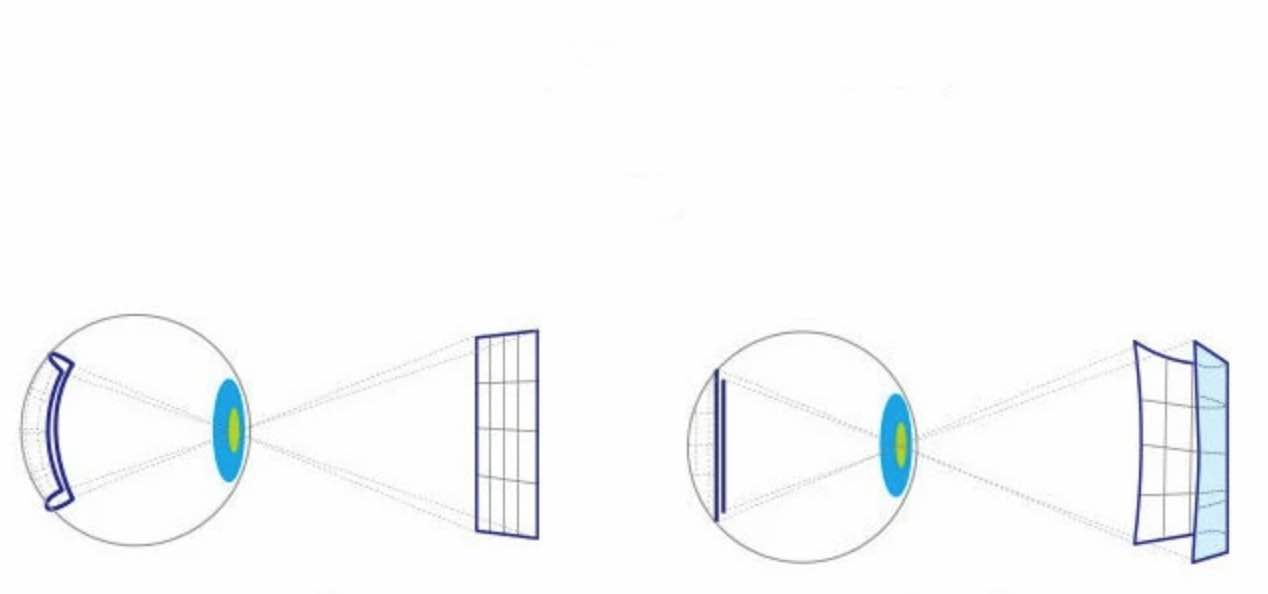
The inspiration for this design comes from the “IMAX cinema.” We all know that the screen of the cinema is not only large in size but also has a certain curvature. The function of this design is to improve the viewing visibility from the side so that users can enjoy the depth—immersive viewing experience.

Summary of The Emergence of Curved-Screen TVs
At CES (International Consumer Electronics Show) in 2013, both Samsung and LG launched their OLED curved TVs.
Unsurprisingly, Samsung pioneered curved-screen TVs and is the most prominent TV manufacturer.
According to Relevant data, in the first half of 2015, Samsung’s curved TVs accounted for 80.7% of the world and 68% of the Chinese market.
The coverage rate of curved TVs made by Samsung reached 74%. It is conceivable how much influence Samsung has in this field.
Interestingly, at the end of December 2015, LeEco launched a “curved split TV“, which fired a shot at Chinese companies to enter the curved TV market. Later, at CES 2016, Hisense, Skyworth, Changhong, Konka, TCL, Samsung, LG, and Sony these domestic and foreign TV manufacturers, launched their own curved TV products, and the TV market ushered in a wave of curved TVs!
Are Curved-Screen Televisions Unsustainable? If Yes, Why?
It can only be said that the good times will not last long. In 2017, two major TV manufacturers, Sony and LG, announced they would no longer launch curved TV products.
On the other hand, Samsung said that it would not give up and would launch more curved TVs. Product. Why do Sony and LG abandon curved TVs?
Articles for Further Reading:
Choosing Between Curved-Screen and Straight-Screen for Your Mobile Phone
Ways to Detect if an LED/LCD/OLED/Qled Television is Original or Fake
Why are more people buying Curved Screen Phones Despite Their Obvious Shortcomings?
Reasons Why Curved Screen TVs Productions Are Unsustainable
Regardless, some manufacturers have predicted it before: users will naturally discover its defects after buying it, installing it at home, and using it for some time.
Additionally, It is necessary to know that the curved-screen design can improve a specific visual viewing effect, but the premise is that the viewer must sit close to the screen and at the center.
Basically, the center position will have an effect, and most of the curved screens will have the problem of light leakage due to the side-illuminated backlight.
Apart from this, the size of the curved TV cannot be compared with the size of the IMAX theater screen. The largest screen of a curve TV is currently about 75 inches.
Therefore, to enjoy the immersive effect, manufacturers must increase the size. Sadly, the production process of the curved TV itself is more complicated, the cost is high, and the price is expensive.
Most curved-screen tv makers use OLED screens, which cannot be made thin and inconvenient to hang on the wall. The above is also the main factor directly leading to curved TVs’ gradual disappearance.
Why Flat-Screen Televisions Are Flourishing at The Expenses of Curved-Screen TVs
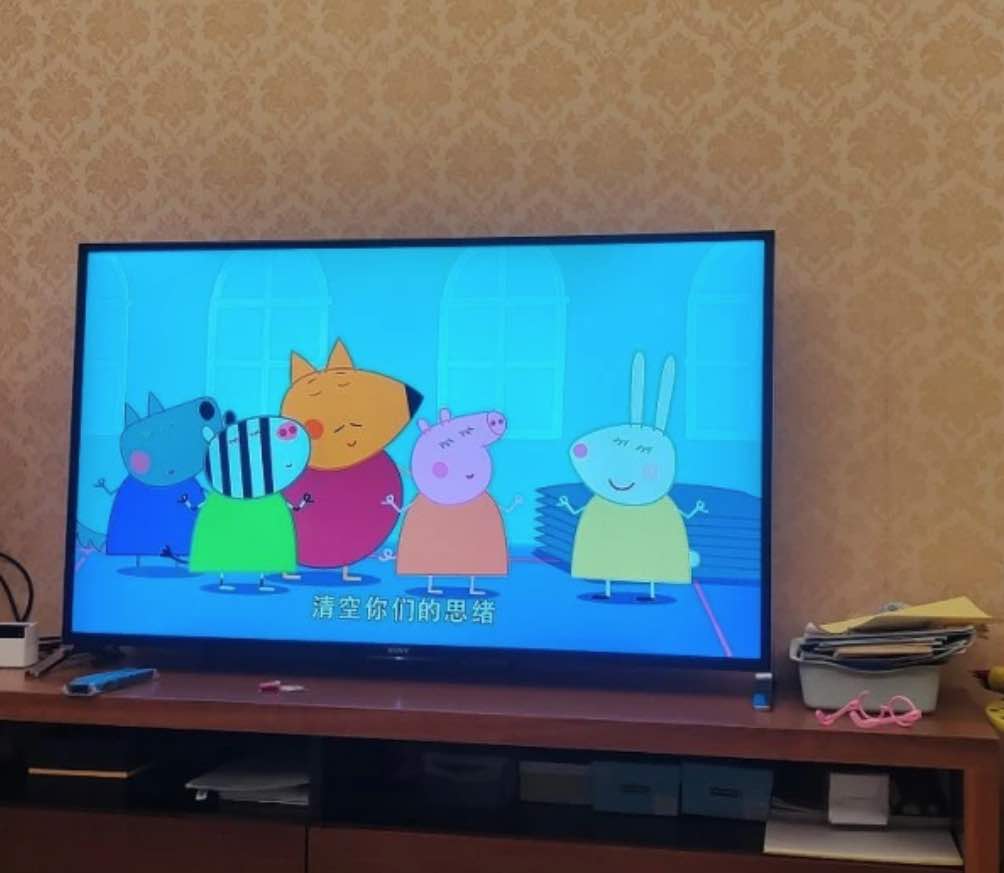
On the other hand, the TV products on the market today, whether a smart TV version or a traditional home appliance brand, all adopt a flat-panel design.
In general, the emergence of curved TVs is just a “short wave” in the industry, and flat-screen TVs are the main development direction. So what do you think about the curved TV?
Leave a Reply