When buying a smart TV, looking at the features and parameters is indispensable. Many users are at a loss about this and don’t understand the parameters or, put it differently, the essential technologies of the TV. Let’s take a look at the common 5 smart TV technologies that you need to understand to help you learn more about TVs.
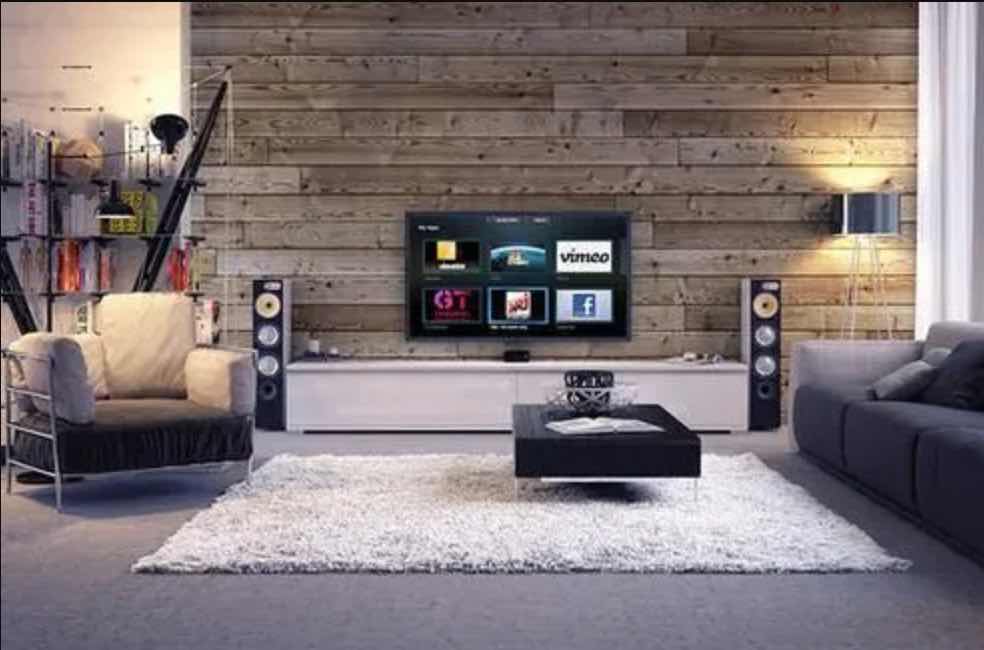
1. MEMC Motion Compensation
Motion estimation motion compensation technology is a must for mid-range and above TVs. This technology can significantly improve the smoothness of the picture.
To put it simply, motion compensation is equivalent to inserting a motion compensation frame between every two frames in the original picture to make the original picture more coherent and achieve the purpose of eliminating residual images and improving dynamic clarity.
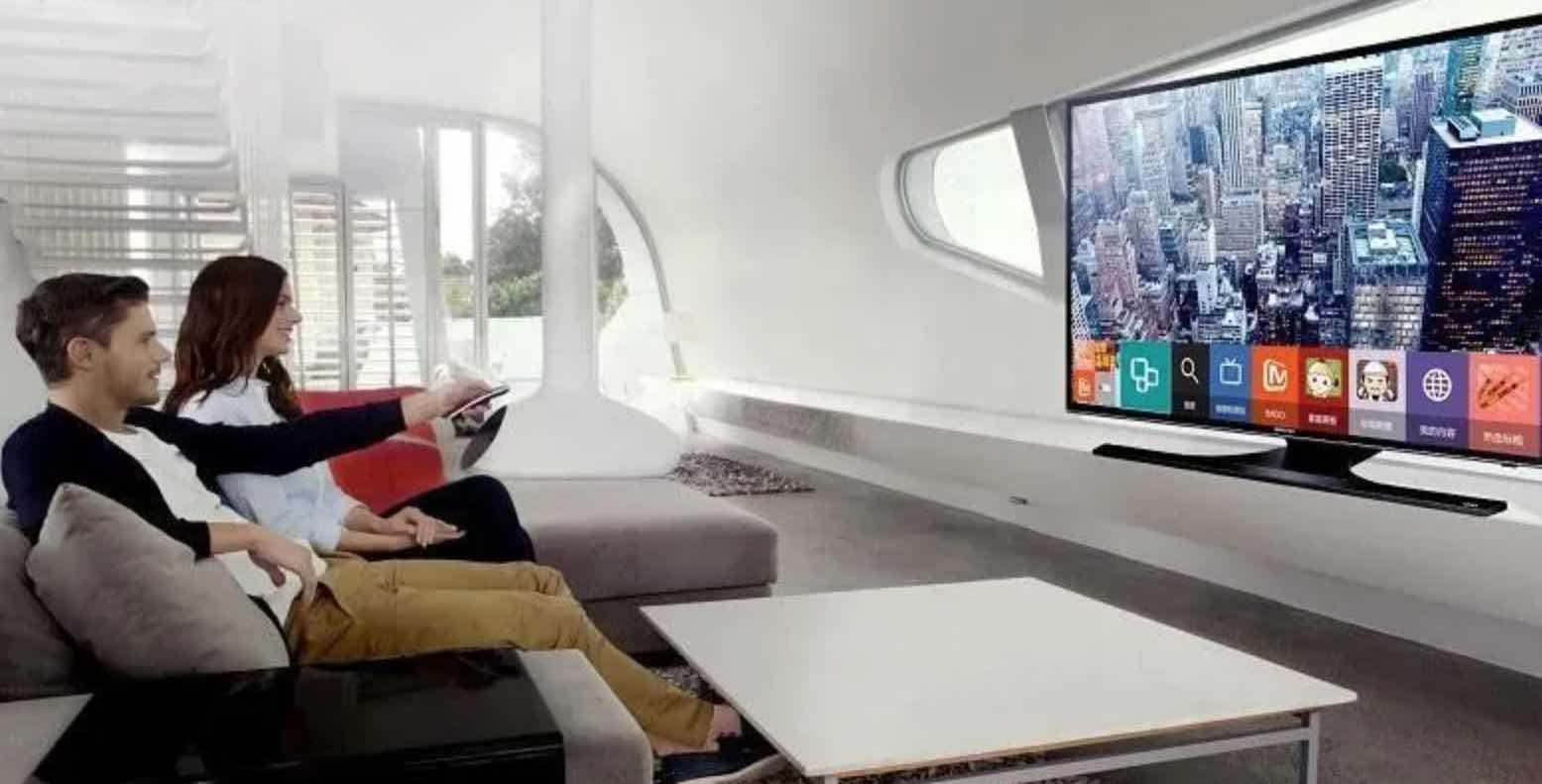
For users who like to watch sports events and action movies, motion compensation technology is still very important.
2. Input Delay
Input delay refers to the time between the input of the TV signal and the display on the screen.
Game players will be familiar with this parameter. When playing a game, if the input delay is large, there will be an obvious sense of operation delay. You know, in many games, 1/30 of a second is enough to decide “life or death”. Therefore, many players pay attention to this point.
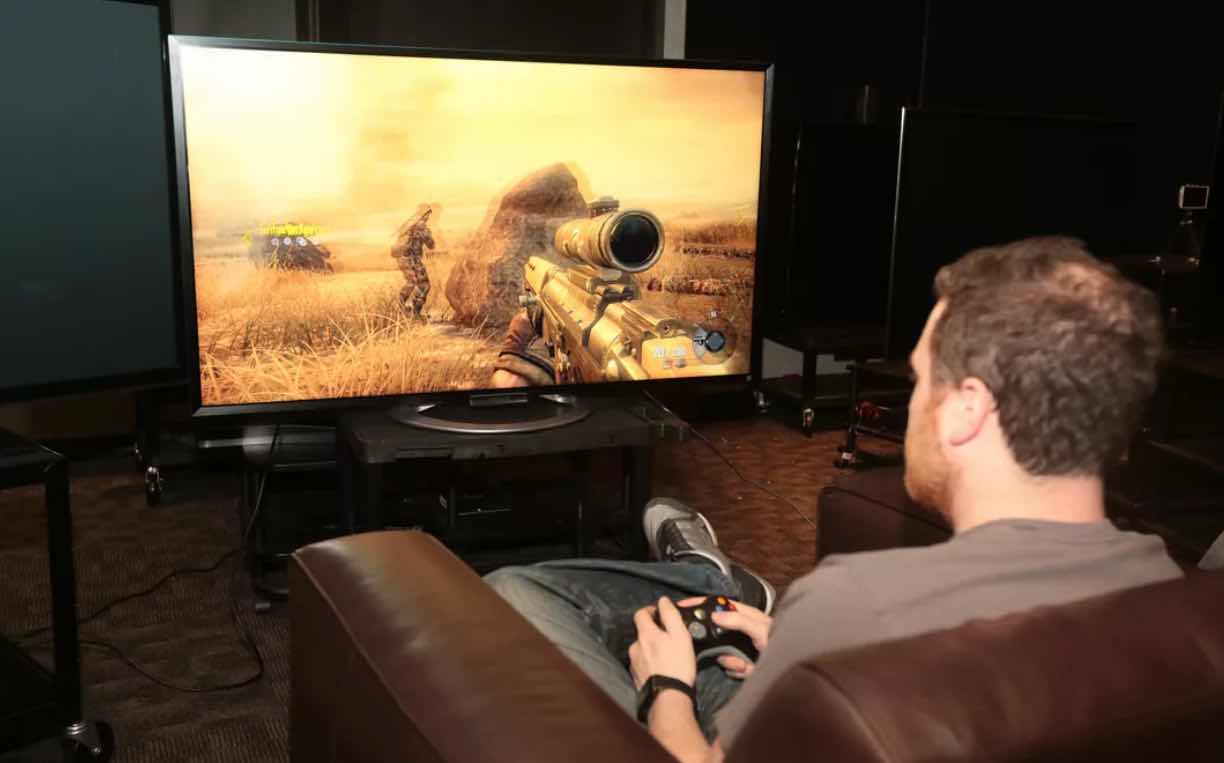
Generally speaking, a better TV can reach about 10ms, and a poorer TV can reach more than 35ms.
3. Refresh Rate
Simply put, the refresh rate is the number of times the screen is refreshed per second, that is, how many images can be displayed per second. The refresh rate is measured in Hertz and is usually abbreviated as “Hz”.
The higher the refresh rate of the TV, the less obvious the flicker phenomenon and the smoother the display effect. At present, the refresh rate of low-end TVs is generally 60Hz, and the refresh rate of some high-end models can reach 120Hz.
4. Color Gamut

The color gamut represents how many colors the TV can display. Under normal circumstances, the higher the color gamut, the stronger the TV’s ability to restore colors and the richer colors when viewing.
In order to achieve a unified display effect, there are various color gamut standards, such as sRGB, NTSC, DCI-P3 color gamut, and other color management standards formulated by the industry. Generally, we use the NTSC color gamut as the standard, which is formulated by the American Television Standards Committee. So focus on the NTSC color gamut of the TV.
Generally speaking, a screen with a color gamut of more than 72% NTSC is a good screen, and a screen with a color gamut of more than 90% NTSC is a very good screen.
It should be noted that the color gamut is not as high as possible. With the increase in the number of high-gamut colors, the picture will be more colorful, but the displayed colors are not necessarily accurate. Because products with a higher color gamut have higher requirements on the chip, if the color control is not accurate, the image will be distorted.
5. Dolby Sound
I believe everyone will be more familiar with this parameter. Dolby sound effects are common sound effects in movie theaters nowadays.
Dolby sound technology can provide excellent sound effects, providing up to 7.1 provincial surround sound effects, bringing an immersive feeling.
Users concerned about TV sound quality can pay attention to this parameter.
Leave a Reply